Why Airlines Want You to Book Basic Economy
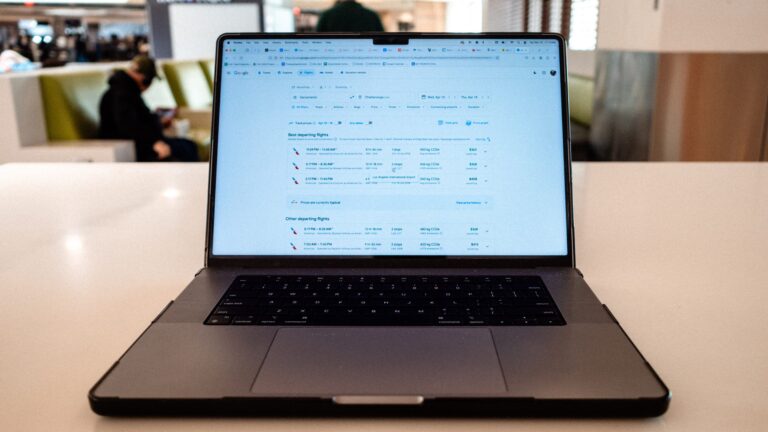
At first glance, Basic Economy looks like an easy way to save money. The fare is cheaper than Standard Economy, and if you’re only comparing ticket prices, it often appears to be the better deal.
But Basic Economy wasn’t created simply to offer travelers a lower fare.
It was designed as part of a broader airline pricing strategy that helps airlines maximize revenue. By stripping away flexibility, seat selection, baggage allowances, and upgrade eligibility, airlines make Standard Economy appear far more attractive, even if many travelers never intended to buy it in the first place.
That distinction matters because the lowest fare isn’t always the lowest total cost of the trip. Baggage fees, seat selection, reduced flexibility, and other restrictions can quickly change the calculation. It’s one reason I think travelers should look beyond the advertised price when comparing cheap flights and their true cost.
In other words, Basic Economy isn’t just a product…
It’s a carefully designed pricing strategy rooted in revenue management, customer psychology, and the economics of airfare.
Understanding why airlines created Basic Economy will help you make smarter booking decisions—and recognize when the cheapest ticket isn’t actually the best value.
What Is Basic Economy?
Basic Economy is truly a no-frills fare type that restricts many aspects of your travel. Naively, many years ago I used to book basic economy as my philosophy was:
“I’ll be on that flight no matter what”.
As I’ve gotten older, now years after COVID, and looking to retain status with specific airlines, my perspective has shifted drastically. Looking back, I’ve probably spent more on seat assignments, baggage fees, and other ancillary charges than I saved on the original ticket.
You see, as I mentioned, Basic Economy is in essence, “Basic”. In practice, Basic Economy often comes with several important tradeoffs:
- No seat selection
- Limited flexibility
- Boarding restrictions
- No changes (varies by airline)
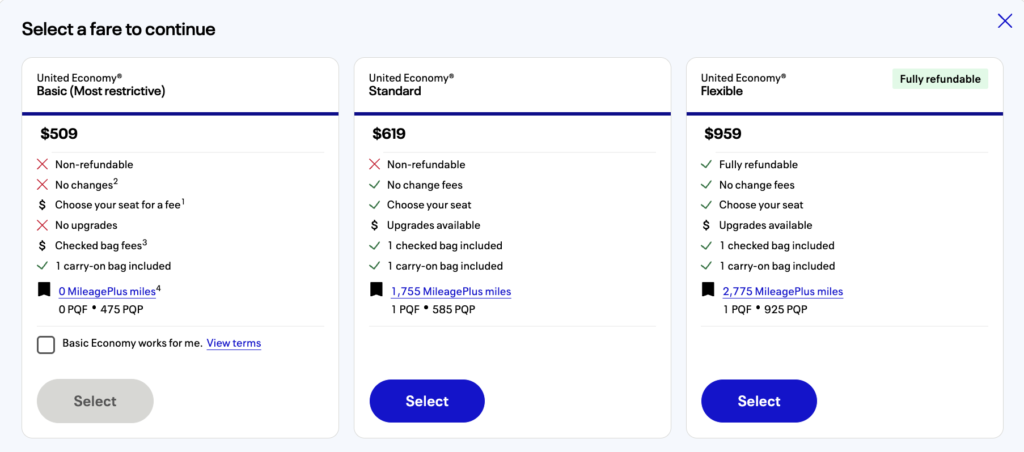
United even just made a change to its miles earning when booking a Basic Economy ticket. It also now doesn’t include any PQF earnings, which means if you’re trying to achieve or retain status, booking basic economy would not help that part of qualification.
Why Airlines Created It
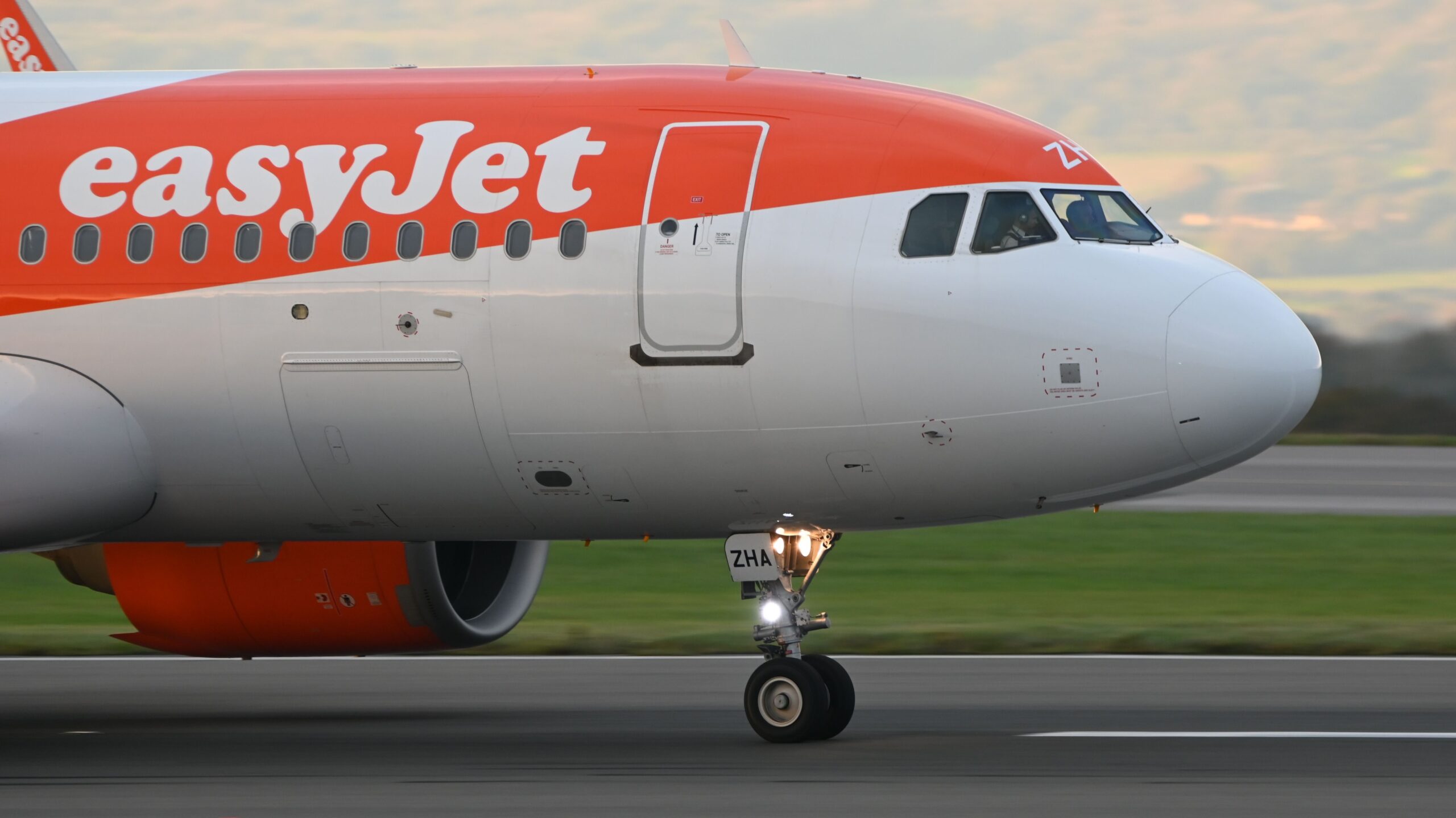
For decades, airlines primarily competed against one another. Then carriers like Frontier Airlines, Breeze Airways, and easyJet changed the game.
These airlines advertised extremely low fares that grabbed attention in search results. A traveler searching for a flight might see:
- Ultra-low-cost carrier: $59
- Legacy airline: $139

Even if the legacy airline included more benefits, many customers never made it far enough to compare. To compete, traditional airlines introduced Basic Economy fares that allowed them to advertise a similarly low starting price while charging separately for additional flexibility and services.
The goal wasn’t necessarily to create a better product. It was to remain competitive in the initial fare comparison.
Revenue Segmentation
Not every traveler values the same things…
- A college student flying home for Thanksgiving may only care about paying the lowest possible fare.
- A business traveler might gladly pay hundreds more for schedule flexibility.
- A family may prioritize seat selection so everyone can sit together.
Airlines know this.
Rather than offering one price to everyone, they segment travelers into different groups and charge accordingly.
Think of it as selling multiple versions of the same seat:
| Fare Type | Who It’s Designed For |
|---|---|
| Basic Economy | Price-sensitive travelers |
| Standard Economy | Most leisure travelers |
| Economy Flex | Travelers needing flexibility |
| Business Class | Comfort and time-sensitive travelers |
The seat may physically be identical, but the value proposition is different.
Revenue segmentation allows airlines to maximize revenue from each customer type instead of charging a single average price.
Anchoring Psychology
This is where airline pricing becomes surprisingly psychological. Imagine you’re shopping for a flight and see:
- Basic Economy: $154
- Main Cabin: $204
- Business Class: $614
Most people won’t buy Business Class…but that’s not the point. The $154 fare creates an anchor that makes $204 feel reasonable.
At the same time, the $614 Business Class fare makes the $204 Main Cabin ticket seem inexpensive by comparison. Airlines understand that consumers rarely evaluate prices in isolation. We evaluate them relative to other options presented at the same time.
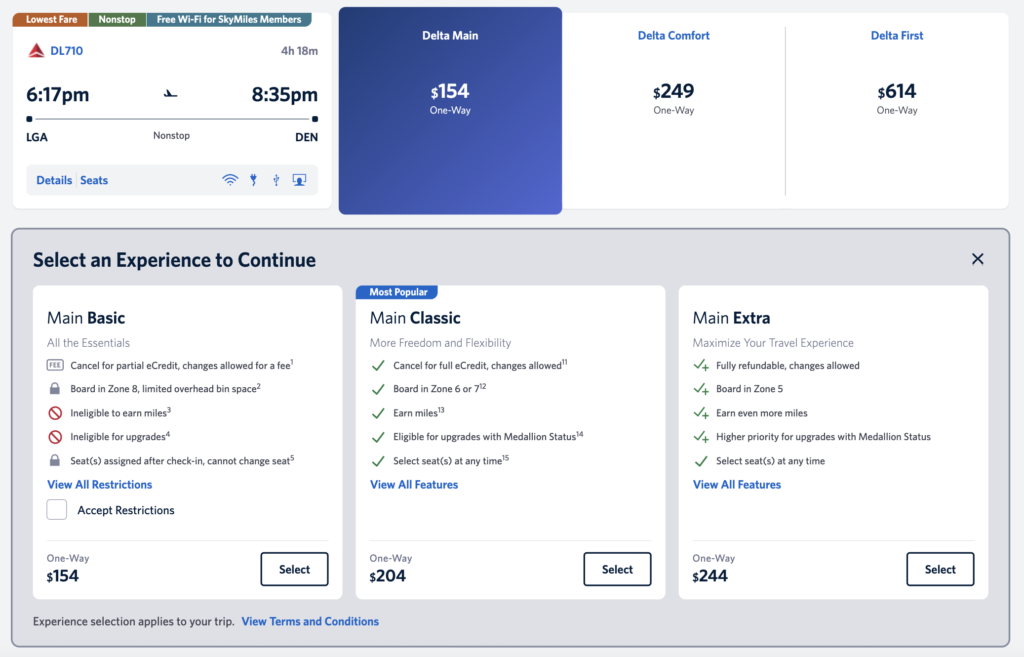
Basic Economy often exists as much to influence perception as it does to generate direct sales. The result is that many travelers end up purchasing the middle option, not because it was their original plan, but because the pricing structure guided them there.
That’s exactly what sophisticated revenue management is designed to do.
Is Basic Economy Worth It?
In comparing Basic Economy vs Economy, Basic Economy usually looks cheaper at first glance, but the real cost depends on what you give up.
A $79 Basic Economy fare may look better than a $129 standard economy fare, until you start adding back the things most travelers actually value.
| Cost Factor | Potential Cost |
|---|---|
| Seat assignment | $20–$60+ |
| Carry-on restriction | $30–$75+ |
| Change flexibility | Often limited or unavailable |
| Lost flexibility | Potentially hundreds if plans change |
So the math may look like this:
| Fare | Advertised Price | Add-Ons / Risk | Real Cost |
|---|---|---|---|
| Basic Economy | $79 | $30 seat + $50 bag | $159 |
| Standard Economy | $129 | Included flexibility/benefits | $129 |
That is the trap.
Basic Economy is not always the cheapest ticket. It is often the cheapest starting price.
And before booking Basic Economy, be sure to compare the fare against other airlines and nearby travel dates. Some of the best tools for finding cheap flights make it much easier to determine whether the apparent savings are actually worth the restrictions.
The Fare Theory question is not: Which fare is cheaper?
It’s: Which fare gives me the most value after accounting for restrictions, risk, and flexibility?
Basic Economy can make sense for a short nonstop flight when you are traveling light and your plans are fixed.
But if you need a carry-on, want to sit with someone, care about flexibility, or have any chance of changing your trip, the “cheaper” fare can quickly become the worse option.
When I Still Book Basic Economy
Despite everything I’ve discussed, I still book Basic Economy from time to time.
If I’m taking a short nonstop flight, traveling with only a personal item, and have no expectation of changing my plans, Basic Economy can be a perfectly rational choice.
I am especially likely to consider it when:
- The flight is short and nonstop
- I’m not checking a bag
- My travel dates are fixed
- I’m not chasing airline status or miles
- I’m traveling solo and don’t care where I sit
In those situations, paying extra for benefits I don’t intend to use may not create any additional value.
The key isn’t avoiding Basic Economy altogether.
The key is understanding exactly what you’re giving up and deciding whether those tradeoffs are worth the savings.
The Fare Theory
Basic Economy isn’t designed to save everyone money.
It’s designed to help airlines charge different travelers different prices for essentially the same seat…sometimes that works in your favor. But sometimes it doesn’t.
The key is understanding what you’re giving up before clicking “purchase” because the cheapest ticket isn’t always the lowest-cost ticket.
And that’s exactly what The Fare Theory is about.