
Airline Alliances Explained: How Star Alliance, oneworld & SkyTeam Work
Airlines compete fiercely for passengers. But behind the scenes, many of the world’s largest airlines also cooperate with each other.
A United passenger can fly Lufthansa. An American Airlines frequent flyer can earn miles flying British Airways. A Delta elite member can receive benefits when traveling on Air France.
These relationships are largely made possible by airline alliances.
Alliances are also part of the broader economics behind airline networks, although the actual price you see is still determined by the airline’s revenue management and pricing strategy.
The three major global alliances, Star Alliance, oneworld, and SkyTeam, connect airlines around the world, allowing them to offer larger networks and provide certain reciprocal benefits to passengers.
But airline alliances are also easy to misunderstand.
Being alliance partners doesn’t mean two airlines are the same company. It doesn’t mean your elite benefits work identically everywhere. And it certainly doesn’t mean every airline in an alliance prices tickets, upgrades, or award travel the same way.
So what exactly is are airline alliances, and why do airlines participate in them?
What Is an Airline Alliance?
Airline alliances allow carriers to cooperate through arrangements such as codesharing, reciprocal frequent-flyer benefits, lounge access, and coordinated services.
Imagine an airline flies from New York to Frankfurt but doesn’t operate flights from Frankfurt to dozens of smaller European cities.
Rather than launching its own aircraft to every destination, it can cooperate with another airline whose network already provides those connections. For travelers, that can create an itinerary that feels relatively seamless even though multiple airlines may actually operate the flights.

Depending on the airlines and itinerary, cooperation can include:
- Connecting itineraries
- Reciprocal mileage earning
- Award redemptions
- Elite-status recognition
- Priority check-in and boarding
- Lounge access
- Through-checked baggage
- Coordinated schedules
The result is a network considerably larger than any individual airline could economically operate itself.
The Three Major Airline Alliances
Most major international airlines belong to one of three global alliances: Star Alliance, oneworld, or SkyTeam.
While each alliance has its own airlines, status structure, and benefits, they all solve essentially the same problem: no single airline can realistically fly everywhere.
Alliances allow airlines to extend their networks through partnerships while giving travelers access to benefits that can extend beyond the airline they normally fly.
Star Alliance
Founded in 1997, Star Alliance was the first major global airline alliance.
Its network includes airlines such as United Airlines, Lufthansa, Air Canada, Singapore Airlines, ANA, and Turkish Airlines, among others.
For travelers, one of Star Alliance’s biggest advantages is the enormous number of destinations accessible across its member airlines. A traveler might begin a trip on United in the United States, connect to Lufthansa in Europe, and continue on another Star Alliance carrier, all while benefiting from relationships between the airlines.
Star Alliance also maintains two alliance-wide elite recognition levels: Star Alliance Silver and Star Alliance Gold.
Qualifying status with an individual member airline can translate into one of these alliance tiers, providing certain reciprocal benefits when traveling with other participating carriers.

oneworld
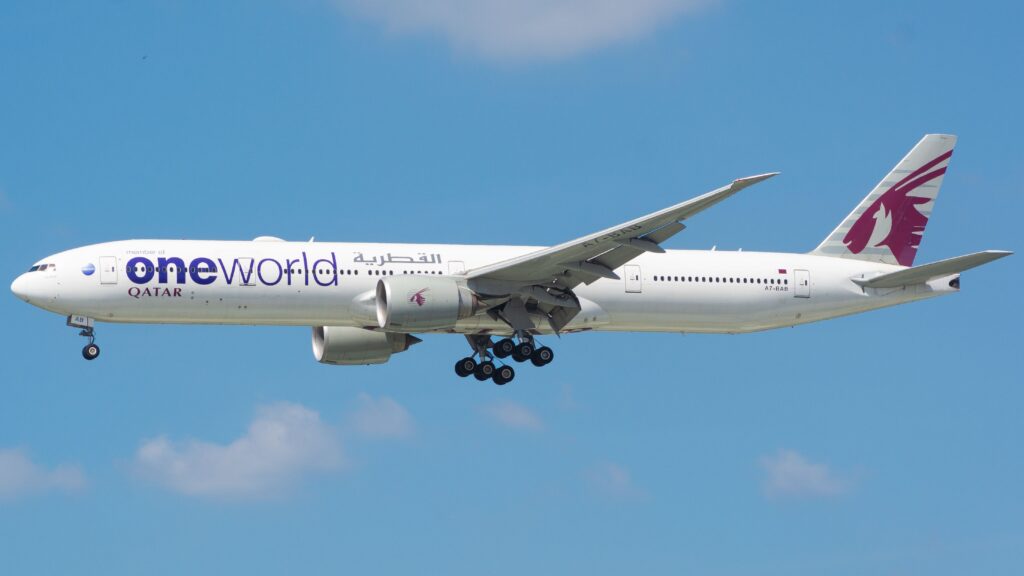
oneworld includes airlines such as American Airlines, British Airways, Qatar Airways, Cathay Pacific, and Qantas.
Its alliance-wide elite recognition is divided into three levels:
Ruby → Sapphire → Emerald
Benefits become increasingly valuable at the higher tiers and can include priority airport services, additional baggage allowances, and lounge access, subject to the applicable rules.
This highlights an important distinction: your airline status and alliance status aren’t necessarily the same thing.
American Airlines status, for example, can translate into a corresponding oneworld tier. That oneworld tier helps determine which reciprocal benefits you receive when traveling with another member airline.
This is one reason airline status can have value far beyond flights operated by your primary carrier.
SkyTeam
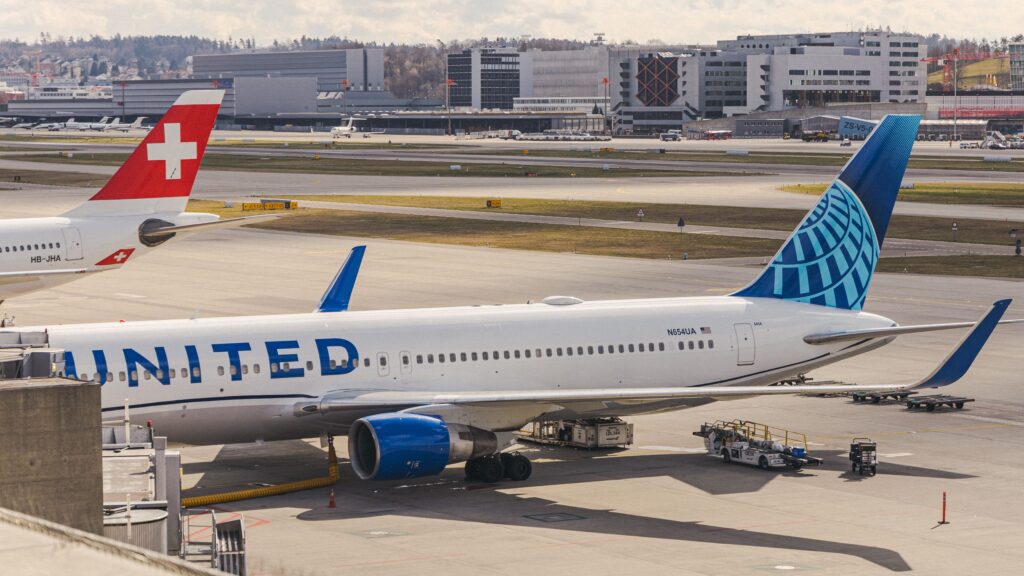
SkyTeam includes airlines such as Delta Air Lines, Air France, KLM, and Korean Air.
Like the other major alliances, SkyTeam provides reciprocal benefits for eligible frequent flyers traveling across participating member airlines.
Its two primary alliance-wide recognition levels are Elite and Elite Plus.
Again, the underlying idea is the same: you earn status through an individual airline’s loyalty program, and that status can unlock certain benefits when traveling throughout the broader alliance.
That can make loyalty to one airline considerably more useful when your travel takes you somewhere that airline doesn’t fly.

Why Do Airlines Form Alliances?
This is where the economics become particularly interesting. Broadly speaking, operating an airline network is enormously expensive.
Every new route requires aircraft, crews, airport slots, ground operations, maintenance support, regulatory approval and, most importantly, enough passenger demand to justify the service.
An airline therefore can’t realistically fly everywhere its customers might want to go. This is exactly where alliances help solve that problem.
Instead of operating its own flight to every destination, an airline can carry a passenger to one of its gateways and then connect that traveler onto a partner.
For example, an airline with a strong U.S. network doesn’t necessarily need to operate flights to dozens of smaller European destinations itself. It can fly passengers to a major European hub and rely on an alliance partner to complete the journey.
That allows airlines to effectively sell access to a much larger network without operating every segment themselves.
The alliance expands the airline’s reach without requiring the airline to replicate its partners’ networks.
It’s another reason understanding airline hubs and why connecting flights can sometimes cost less than nonstop flights is so important. Airline networks aren’t simply collections of individual routes, they’re interconnected systems designed to move passengers through hubs and onward to hundreds of destinations.
Airline Alliances vs. Codeshares: They’re Not the Same Thing
Airline alliances and codeshares are closely related, but they aren’t interchangeable.
- An alliance is a broad relationship involving multiple airlines.
- A codeshare is an arrangement where one airline can market a flight operated by another airline under its own flight number.
That means you might purchase what appears to be a United flight, only to discover that the aircraft is actually operated by Lufthunsa.
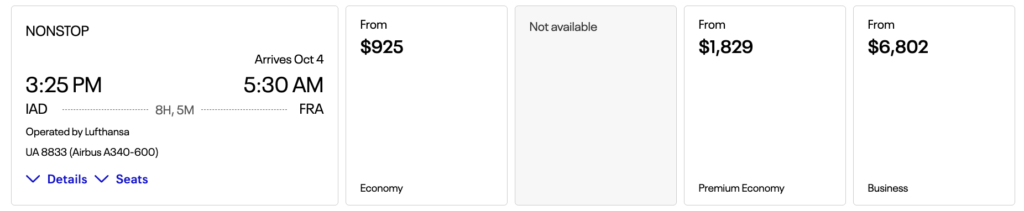
In this situation, one airline is the marketing carrier, while another is the operating carrier. Codeshares can exist between airlines within the same alliance, but airlines don’t necessarily need to belong to the same alliance to codeshare.
That’s why seeing another airline’s flight number on your reservation doesn’t automatically tell you which mileage-earning rules, lounge privileges, elite benefits, or other policies will apply.
Airline Alliances vs. Joint Ventures
Some airline partnerships go considerably deeper than alliance membership.
A joint venture can allow participating airlines to coordinate certain schedules, pricing, capacity, and revenue on covered routes, subject to applicable regulatory arrangements.
In practical terms, two airlines within the same alliance can therefore have very different relationships.
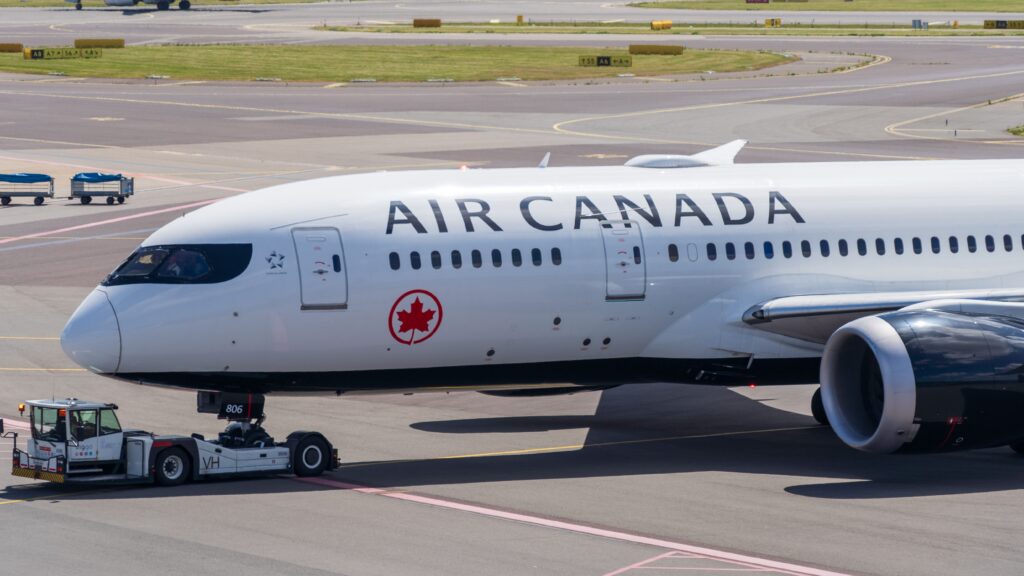
For example, United Airlines, Air Canada and Lufthansa Group airlines participate in a transatlantic joint venture. Unlike a standard alliance relationship, these airlines can coordinate more closely on areas such as schedules and pricing across covered transatlantic markets.
That distinction matters because travelers sometimes assume that every airline within an alliance essentially operates as part of one enormous airline.
It doesn’t.
Alliance membership tells you that airlines cooperate. It doesn’t necessarily tell you how deeply they cooperate.
What Airline Alliances Mean for Frequent Flyers
This is where many travelers experience the benefits of airline alliances most directly.
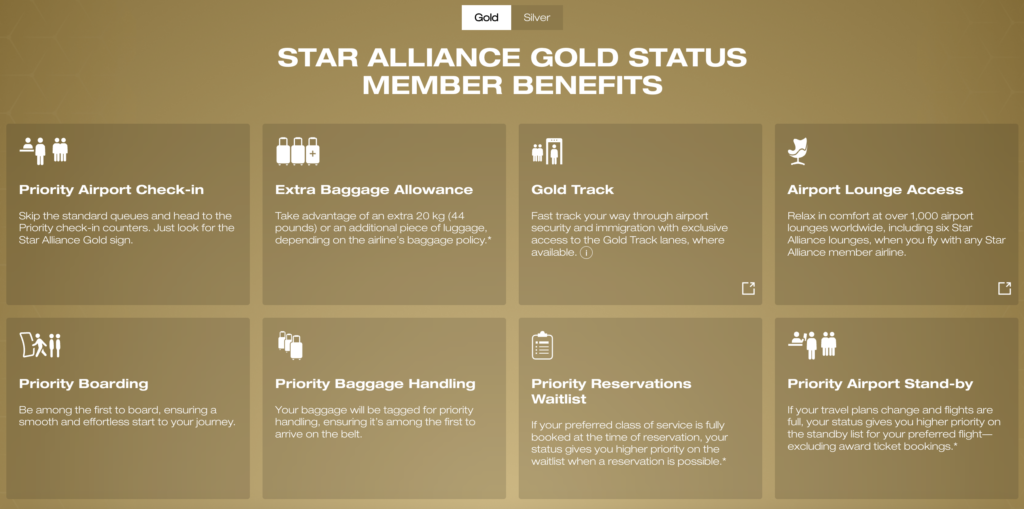
If you have elite status with an airline, some benefits can follow you when flying eligible alliance partners.
Depending on the alliance, your status, airline, itinerary, and applicable rules, benefits can include:
- Priority check-in
- Priority security where offered
- Lounge access
- Priority boarding
- Additional baggage
- Priority baggage handling
This can substantially increase the usefulness of elite status for international travelers.
Someone who primarily flies United, for example, doesn’t necessarily lose every benefit the moment they board another Star Alliance carrier.
But travelers need to be careful about assuming that all of their normal benefits transfer.
They don’t necessarily.
Receiving alliance-level recognition doesn’t mean you’ll receive every benefit offered by your home airline. Complimentary upgrades are a good example: an upgrade benefit available when flying your primary airline doesn’t automatically become an alliance-wide benefit.
That’s why evaluating whether airline elite status is actually worth it should include not only the benefits you receive on your primary airline, but how useful its partner network is for the travel you actually do.
Airline Alliances Can Make Your Miles More Valuable
Airline alliances can also dramatically expand the usefulness of frequent-flyer miles as you don’t always have to redeem miles on the airline whose loyalty currency you hold.
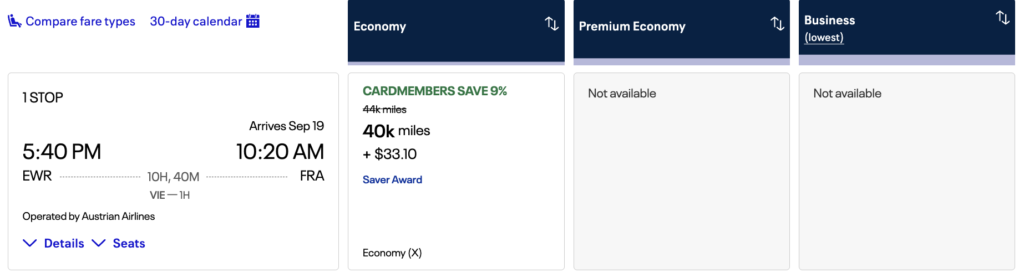
Partner awards can allow you to use one airline’s miles to book a flight operated by another airline.
Suppose your preferred airline doesn’t fly to the destination you want to visit. Its alliance partner might—and your miles may still provide a way to get there.
That transforms a mileage balance from something useful on a single airline into potential access to a much broader network.
But there’s an important catch:
Just because a seat is available for purchase doesn’t mean it’s available as a partner award.
Airlines control how much award inventory they make available to partners, and different loyalty programs can charge very different numbers of miles for similar flights.
That’s why finding the flight is only part of the equation.
You still need to determine when using airline miles actually makes sense, whether partner award space exists, and whether the redemption represents good value compared with simply purchasing the ticket.
Award-search tools can help here as well. Services such as Seats.aero can make it significantly easier to search for award availability across airlines and loyalty programs instead of manually searching individual dates and carriers.
And if you’re considering purchasing additional miles to complete one of these bookings, run the numbers carefully. Greater alliance flexibility doesn’t automatically mean buying airline miles is worth it.
Does an Airline Alliance Mean Your Benefits Work Everywhere?
No, and this is one of the most important misconceptions to understand. Alliance membership provides a framework for reciprocal benefits, but the details matter.
Your experience can depend on:
- Which airline issued the ticket
- Which airline operates the flight
- Your frequent-flyer program
- Your alliance status
- Your fare class
- Your route
- Applicable lounge-access rules
- Which loyalty number is attached to the reservation
That’s why saying “They’re both Star Alliance” isn’t always enough information to determine exactly what will happen.
The same principle applies to oneworld and SkyTeam.
Before assuming you’ll receive a particular benefit, identify exactly which benefit you’re trying to use and check the applicable program and alliance rules.
Which Airline Alliance Is Best?
There isn’t one airline alliance that’s objectively best for every traveler.
The better question is:
Which alliance gives you the most useful access?
Someone based near a major United hub may derive enormous value from Star Alliance. An American Airlines frequent flyer may find oneworld considerably more useful.
Likewise, someone who frequently flies Delta, or regularly connects onto partners such as Air France and KLM, may naturally find SkyTeam more useful.

And someone who rarely travels internationally may find that alliance membership barely affects their travel decisions at all.
Network size alone doesn’t determine value.
Useful access does.
Look at the airlines you actually fly, your home airport, the destinations you visit, where you want to redeem miles, and which reciprocal benefits you would realistically use.
The largest network on paper isn’t necessarily the most valuable network for you.
The Fare Theory
Airline alliances exist because no airline can economically fly everywhere.
By cooperating, airlines can offer travelers access to much larger networks while avoiding the enormous expense of operating every route themselves.
For travelers, that cooperation can create meaningful benefits: easier connections, broader mileage earning and redemption opportunities, partner award availability, lounge access, and reciprocal elite recognition.
But an alliance isn’t one giant airline.
Each carrier still has its own pricing strategy, loyalty program, network, award inventory, and commercial priorities.
Understanding that distinction makes airline alliances considerably easier to navigate.
The airline might operate the flight. Another airline might sell it. A third loyalty program might provide your status. And somehow, all three can influence the experience you receive.
That’s the strange, but incredibly powerful, economics of airline alliances.