

Is Airline Elite Status Worth It?
A few weeks ago, I landed in Europe after an overnight flight. I hadn’t slept much and I felt exhausted. I had a little over two hours before my next flight, figured I’d grab a quick bite to eat and relax.
Then I walked into a Star Alliance lounge.
I grabbed breakfast, found a quiet corner, and most importantly, took a shower. An hour later I felt like a completely different person. And in that moment, airline status felt incredibly valuable.
But it also made me wonder:
Would I have paid thousands of dollars and dozens of flights just to earn that shower?
And more importantly:
Is airline elite status worth it?
That’s the question most travelers never ask.

Most Travelers Calculate Elite Status Incorrectly
When people ask themselves is airline elite status worth it, they usually ask:
- Did I get upgraded?
- Did I get lounge access?
- Did I board early?
- Did I get free bags?
These, in our opinion, are benefits, not value. Because otherwise, without status you would have paid for them. There’s also a psychological component: free upgrades can feel more valuable than they objectively are simply because we received something we weren’t expecting. The real question is:
What did it cost to obtain those benefits?
Because essentially, airline elite status is simply just a byproduct of the travel you are already doing.
Take Delta Medallion Status as an example. For 2027 status, travelers need to earn $5,000 in Medallion Qualification Dollars (MQDs) for Silver, $10,000 for Gold, $15,000 for Platinum, or $28,000 for Diamond. Those thresholds put a very real cost behind the benefits travelers receive at each tier.
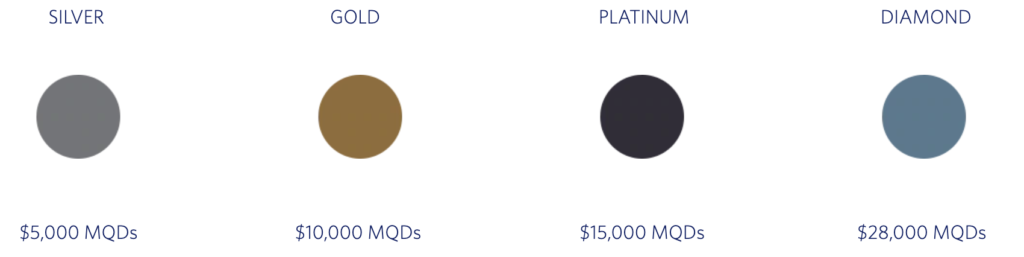
That doesn’t necessarily mean someone spent $28,000 solely to earn Diamond status as MQDs can also be earned through eligible Delta credit cards and Delta Vacations. But it illustrates the point: elite status benefits shouldn’t be valued in isolation from what it took to earn them.
Airline Elite Status Is Basically a Subscription
Most subscriptions have a monthly fee. In that same vein, airline status has a hidden fee. While it may not seem like it, most status thresholds tend to be just out of reach for most general travelers. But as you begin to move higher up the tiers, that unlock new benefits and perks, it makes having airline status, feel more “worth it”.
But here’s the thing, to obtain airline status, you’re paying for it in a different way. What I mean is that you pay through:
- Extra flights
- More expensive airlines
- Mileage runs
- Additional layovers
- Opportunity cost
A traveler might spend $500 more per year choosing one airline over another. They rarely think of that extra spending as a “status fee.”
But that’s exactly what it is.
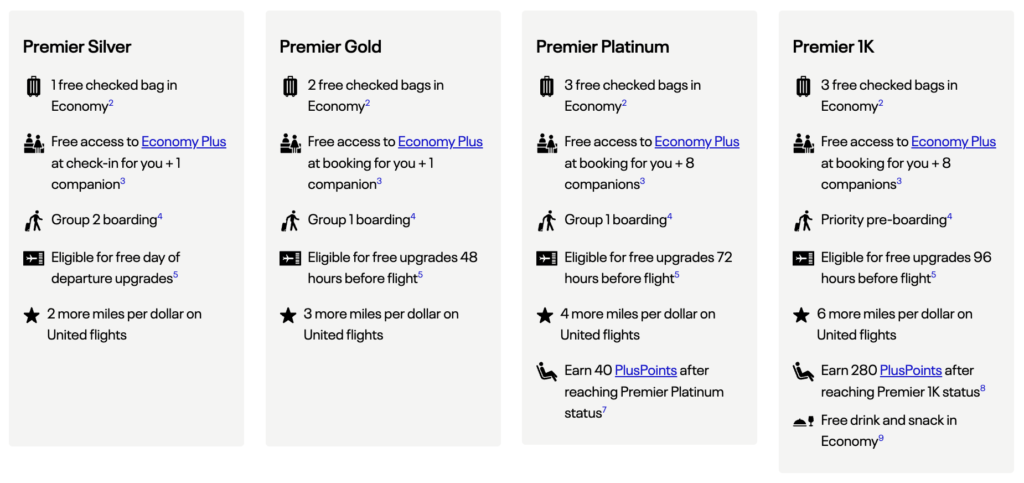
And the trap, what airlines love most, are people who are willing to spend even more, fly even more just to reach that next step or status tier.
The Three Types of Status Travelers
Broadly speaking, there are really three main types of status travelers.
Type 1: The Natural Elite
These travelers fly enough that status happens automatically. These individuals typically have jobs where flying is just a part of their job such as consultants, salespeople or frequent business travelers.
This group of travelers are already flying 40 or 50 times per year, so elite status is essentially free. And often times, there is a minimal out-of-pocket cost since companies tend to pay for their travels.
And as such, the benefits are a bonus. This is what makes it actually worth it and one might consider the ideal situation.

Type 2: The Strategic Elite
These travelers make a few intentional choices to earn status. This is where Fare Theory likes to position itself. Most travelers have no need to take 30 flights a year, so in theory, airline status might not be achievable or even worth it. But they may take a slightly different approach than the first group which help them obtain status.
Maybe they:
- Put spending on a co-branded card
- Consolidate flights with one alliance
- Take advantage of promotions
The cost to them could be relatively low compared to the first group. There also might be a bit of work involved to maximize efficiency to obtain status, but typically speaking, the benefits often exceed the effort.
This can be a rational strategy.

Type 3: The Status Chaser
This is where things get dangerous. You see, compared to the previous groups, there tends to be more of a fallacy.
These travelers:
- Take mileage runs
- Pay more for flights
- Add connections instead of flying nonstop
- Book flights they otherwise wouldn’t take
The pursuit becomes the goal, and the benefits become secondary. This is where status often becomes a bad investment.

The Shower Test
Here’s a simple framework….imagine your status disappeared tomorrow. Would you pay cash for the benefits you actually use?
For me, here’s what I’d actually pay for:
- Lounge Access- especially on long-haul trips
- Checked bags (but really only on long-haul trips)
- Customer Service- incredibly underrated
Really everything else is just noise. Priority boarding is nice, upgrades rarely ever clear anymore (as Gold status), and checked bags are relative depending on travel and with them starting around $45 each way.The Lufthansa Senator Lounge shower in Frankfurt: one of the most tangible benefits of Star Alliance Gold status.
My United Gold Example
This year I’ve maintained United Gold status.
Benefits I’ve actually used include:
- Star Alliance lounge access internationally
- Extra-legroom Economy Plus seating
- Priority check-in
- Priority security in some airports
- Earlier boarding
- Better customer service during disruptions
Those benefits have genuine value. But if I wasn’t already flying frequently, I wouldn’t spend thousands of dollars chasing them.
The status is valuable because it aligns with travel I was already planning to do.
Not because I pursued it for its own sake.
The Fare Theory
Airline status isn’t inherently valuable. It’s only valuable if the benefits exceed the cost required to earn it.
For some travelers, status is essentially free.
For others, it’s one of the most expensive subscriptions they’ll ever have so the next time someone tells you their airline status tier, don’t ask how many upgrades they’ve received.
Ask a different question:
What did it cost them to get there?