
Why Are Flights So Expensive?
Why Airfare Still Feels So Expensive
If you’ve traveled recently, you’ve probably had the same thought:
“Flights used to be cheaper”
In many cases, you’re right. Even though fuel prices have fallen from their peaks, inflation has eased, and the pandemic is largely behind us, airfare still feels surprisingly expensive.
So why are flights so expensive?
The answer isn’t simply “greedy airlines.” It’s the result of several structural changes that permanently altered the economics of air travel.
Flights Aren’t Just Competing Against History
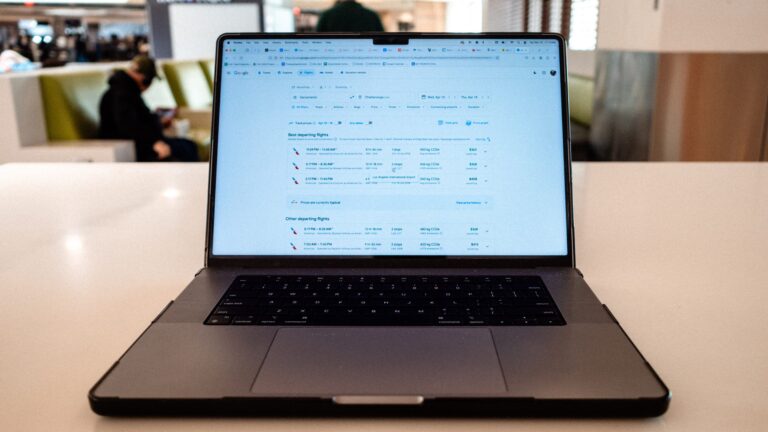
Historical airfare data from the U.S. Bureau of Transportation Statistics shows just how much average fares have shifted over time. We’re guilty of it too. You search for a flight, see the price, and immediately think:
“I swear this used to be cheaper.”
And in many cases, you’re right.
At different points over the past decade, travelers could regularly stumble across fares on mainline carriers like:
- Less than $100 to Florida
- $500–$600 round trips to Europe
- $200 cross-country sales
- Surprisingly cheap international economy fares

Those prices weren’t an illusion. But the market conditions that produced many of them have changed.
That distinction matters.
Airfare isn’t priced against what a flight cost five or ten years ago. The government’s own airfare data illustrates how dramatically average ticket prices can differ by market.
Airlines price seats based on the market that exists right now: current demand, available capacity, competition, operating costs, and how many seats they believe they can sell before departure. Understanding how airlines price flights helps explain why the same route can cost dramatically different amounts from one day to the next.
Why That Fare Probably Doesn’t Exist Today
That $282 ticket wasn’t just “a great deal.” It was the product of an extraordinary moment in aviSome of the cheapest fares travelers remember came from periods when airlines had a very different problem: too many seats chasing too few passengers.
That imbalance became particularly extreme during the COVID-19 pandemic, when:
- Passenger demand collapsed
- Business and international travel nearly disappeared
- Airlines struggled to fill aircraft
- Carriers aggressively discounted seats to stimulate demand
- Revenue management systems opened deeply discounted fare buckets that would rarely be available under normal conditions
From an airline’s perspective, an empty seat produces zero revenue once the aircraft leaves the gate. When demand is weak enough, selling that seat cheaply can make more sense than not selling it at all.

Today, airlines face a different environment.
Passenger demand has recovered, flights are frequently full, premium travel has become increasingly important, and airlines have become more disciplined about how much capacity they put into the market.
The underlying economics of revenue management haven’t fundamentally changed.
The market surrounding them has.
And that’s an important reason why comparing today’s airfare with the cheapest ticket you remember buying years ago can give you the wrong idea of what a flight should cost today.
Airlines Learned They Don’t Need to Fill Every Seat
Before COVID, airlines often prioritized filling as many seats as possible. Higher passenger volume generally translated into higher revenue, even if that meant offering more discounted fares.
Today, many airlines are far more focused on maximizing revenue per flight rather than simply maximizing the number of passengers onboard. Instead of selling every seat at the lowest possible price, airlines increasingly prefer to sell fewer seats at higher average fares.
In many cases, a flight that’s 90% full with strong yields can generate more profit than a completely full flight built on heavily discounted tickets.
For airlines, the goal isn’t to fill every seat.
The goal is to maximize the revenue each flight generates.
That shift helps explain why airfare still feels expensive, even when you notice empty seats on the aircraft. An airline can sometimes make more money flying with a few empty seats than it would by heavily discounting the remaining inventory.
Premium Travelers Have Changed Everything
One of the biggest changes since 2020 has been the explosion in premium demand.
Travelers increasingly pay for:
- Premium Economy
- Business Class
- Lounge access
- Flexible tickets
- Extra-legroom seats
For airlines, that changes the economics of how an aircraft should be configured. A seat is no longer valuable simply because it puts another passenger on the plane. Airlines increasingly have to ask whether that same amount of cabin space could generate more revenue as a premium seat.
And travelers have shown they’re willing to pay for it.
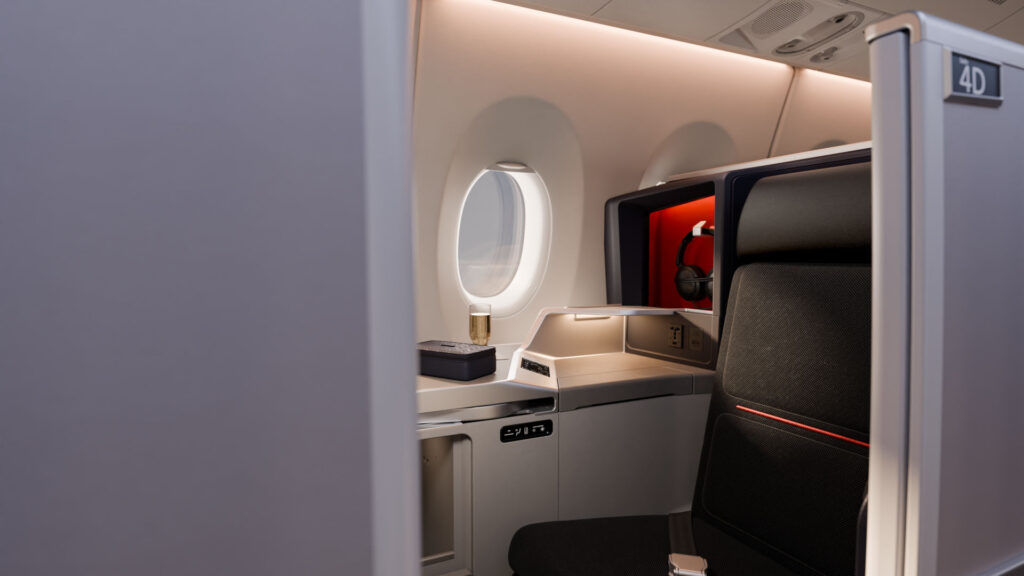
Airlines have responded by investing heavily in premium products, expanding premium cabins, and reshaping the premium cabin experience. New business-class suites, larger premium economy cabins, upgraded lounges, and more extra-legroom seating aren’t simply about making flying more comfortable. They’re revenue decisions.
That can have consequences for economy travelers.
When more of an aircraft’s limited floor space is dedicated to larger premium seats, there may be fewer standard economy seats available than there would be under a more economy-heavy configuration. And when demand for those remaining seats is strong, airlines have less incentive to compete purely by offering the lowest possible fare.
The modern airline isn’t necessarily trying to fit the most passengers onto every aircraft. It’s trying to generate the most revenue from the space it has.
That shift helps explain why premium cabins keep getting bigger even while many travelers continue to feel that ordinary airfare is expensive.
Business Travel Didn’t Return…But Premium Leisure Did
Many expected business travel to return to pre-pandemic levels after COVID. Instead, a different type of traveler emerged.
Premium leisure travelers filled much of that gap.
Today’s travelers are more likely to:
- Work remotely while traveling
- Take longer, experience-focused vacations
- Combine work and leisure (“bleisure”) trips
- Prioritize comfort and convenience over simply finding the lowest fare

Many are also more willing to spend extra for nonstop flights, premium cabins, better seats, airport lounges, and flexible itineraries. As demand shifted toward higher-value travel, airlines adapted their pricing strategies.
The result: airlines no longer need every passenger to be price-sensitive. If enough travelers are willing to pay more for a better experience, average fares can remain elevated even without business travel fully returning.
Travelers Became Less Price Sensitive
One of the biggest reasons flight prices remain high is that travelers have become less sensitive to price. Economists describe this as lower price elasticity of demand.
In simple terms, it means consumers are more willing to accept higher prices rather than cancel or postpone their trips. Instead of waiting for airfare sales or hoping airline ticket prices fall, many travelers simply book their flights anyway.
For airlines, that’s an incredibly important signal.
Airlines have also become better at segmenting price-sensitive travelers, with products like Basic Economy allowing carriers to advertise lower fares while charging more for flexibility and additional benefits.
This helps explain why airfare prices still feel expensive, even when flights aren’t completely full.
There Are Fewer New Airplanes Than Expected
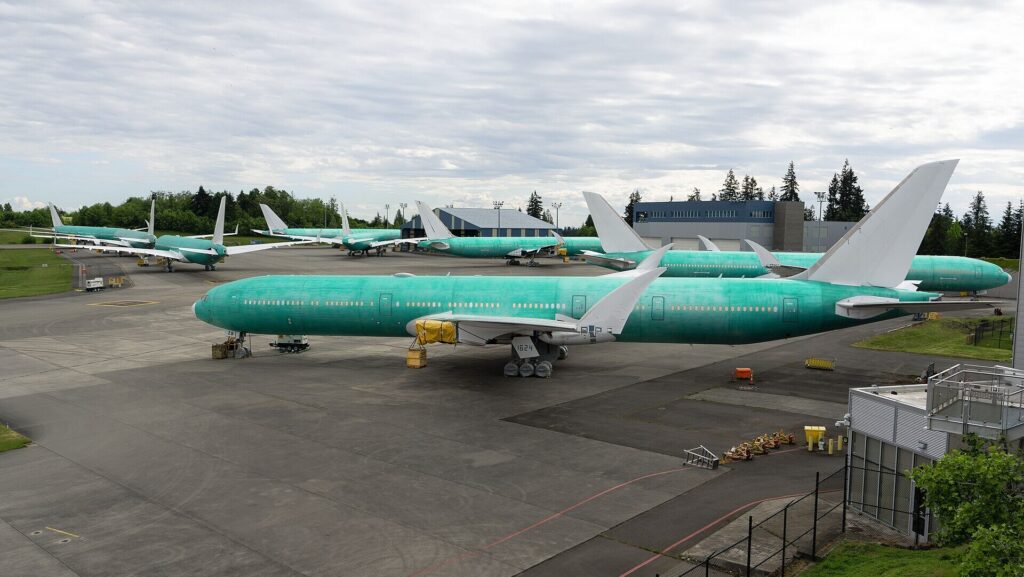
Another reason airfare prices remain elevated is that airlines simply don’t have as many new aircraft as they expected.
Both Boeing and Airbus have faced production delays and supply chain challenges, slowing the delivery of new airplanes to airlines around the world.
As a result, airlines can’t increase flight capacity as quickly as demand has returned. Fewer available seats mean carriers have less pressure to lower fares in order to fill their aircraft.
It’s a classic example of supply and demand. When demand for travel remains strong but airline capacity grows slowly, flight prices tend to stay higher for longer.
That’s why even years after the pandemic, many travelers still feel like airfare is more expensive than it used to be.
Airlines Have Become Better At Pricing
Airline revenue management systems have become significantly more sophisticated over the past decade. Today’s airline pricing algorithms analyze thousands of data points before determining the price you see when searching for a flight, including:
- Current demand
- Booking pace
- Historical booking trends
- Holidays and seasonal travel
- Competitor pricing
- Remaining seat inventory
- Days until departure
These systems make thousands of pricing decisions every day, constantly adjusting fares as demand changes.
The objective isn’t simply to sell every seat. It’s to sell the right seat…
…to the right traveler…
…at the highest price that traveler is willing to pay.
That’s why flight prices can change multiple times in a single day, even when nothing about the flight itself has changed. Modern dynamic pricing allows airlines to continuously match fares to real-time demand, helping maximize revenue on every departure.
Travelers Changed Too
Perhaps the biggest change wasn’t the airlines.
It was us.
After years of canceled trips and travel restrictions, many people decided that travel was no longer something they wanted to postpone.
Experiences became more valuable and vacations became a priority. Many travelers began allocating a larger share of their budgets toward travel, even if it meant paying higher airfare prices.

From an economic perspective, travel demand became stronger and less sensitive to price. People were more willing to book flights despite higher fares because the value of taking the trip outweighed the additional cost.
As long as travelers continue purchasing tickets at today’s prices, airlines have little incentive to lower fares.
Simply put, flight prices remain high because demand remains high.
Will Flights Ever Become Cheap Again?
Yes…but probably not in the way many travelers expect.
Airfare prices will always fluctuate. Airlines constantly adjust fares based on demand, competition, seasonality, and available inventory. That means opportunities to save will always exist.
Travelers will continue to find:
- Fare sales
- Mistake fares
- Seasonal discounts
- Competitive pricing on heavily contested routes
- Last-minute price drops on select flights
However, expecting flight prices across the industry to return to the unusually low levels seen before or during the pandemic is unrealistic.
Today’s airline industry operates under a different set of economic conditions. Demand is stronger, airlines are more disciplined with capacity, and revenue management systems have become increasingly sophisticated.
That doesn’t mean cheap flights have disappeared. Knowing where to look matters, and several flight-search tools can make finding cheap flights significantly easier.
The economics have changed and airfare pricing has changed with them.
The Fare Theory
Flights don’t still feel expensive because airlines forgot how to offer cheap tickets. They feel expensive because travelers, airlines, and the economics of air travel all changed.
Airlines discovered travelers would pay more for better experiences, while travelers discovered vacations were worth more than they realized.
The result is a market built around maximizing value, not simply filling airplanes.
Understanding that shift helps explain not only why flights still feel expensive…
but why they may never feel “normal” again.