
About The Fare Theory
Every day, millions of people search for cheaper flights, better seats, and smarter ways to travel, but few stop to ask a more important question:
Why does airfare work the way it does?
The Fare Theory exists to answer that question. We publish independent analysis that explains airline pricing, revenue management, loyalty programs, aircraft decisions, and the economics that shape every ticket you buy.
Our goal isn’t to tell you where to travel.
It’s to help you understand how the industry actually works.
Our Mission
Air travel has become increasingly complicated, dynamic pricing changes fares by the minute, and premium cabins continue to expand. All that to say, airlines make thousands of revenue decisions every day that most travelers never see.
The Fare Theory exists to make those decisions understandable.
By combining airline economics, consumer psychology, and real-world examples, we help travelers make more informed decisions—not just cheaper ones.
What You’ll Find Here
We cover a lot of topics and here are some
Airfare Economics
- Airfare Economics- Learn how airlines price tickets, forecast demand, overbook flights, and maximize revenue.
- Airline Strategy- Explore route networks, fleet decisions, loyalty programs, premium cabins, and the business strategies behind every major airline.
- Award Travel- Understand when points create real value, and when cash is actually the better choice.
- Smarter Travel Decisions- From seat selection to upgrade offers, discover how to evaluate every travel purchase through the lens of value instead of emotion.
Our Editorial Philosophy
Travel advice is everywhere. Objective explanations are not. Many websites focus on credit cards, luxury experiences, or finding the absolute lowest fare.
The Fare Theory takes a different approach.
We believe travelers make better decisions when they understand the forces behind pricing—not just the price itself. Every article is built around one principle:
Teach the system before recommending a strategy.
Because once you understand how airlines think, you’ll make better decisions every time you travel.
Independence Matters
The Fare Theory is an independent editorial publication.
Our analysis is driven by data, industry research, public information, and firsthand travel experience—not by airline partnerships or promotional campaigns.
When we recommend something, it’s because we believe it provides value—not because someone paid us to say it.
Who Is Behind The Fare Theory?
The Fare Theory was founded by a lifelong aviation enthusiast with a background in consumer psychology, digital product management, and airline loyalty strategy. After years of studying airline revenue management, award travel, and the economics behind commercial aviation, one thing became clear:
Most travel advice explains what to do.
Very little explains why.
That gap became The Fare Theory.
Today, the publication focuses on helping travelers think more critically about airfare, upgrades, loyalty programs, and the business decisions shaping modern aviation.
Our Promise
- We won’t promise every flight will be cheaper.
- We won’t chase every viral travel hack.
- We won’t tell you every first-class seat is worth buying.
Instead, we’ll give you the knowledge to decide for yourself. Because understanding air travel creates value long after a single trip is over.
What Are You Waiting For? Start Exploring Now

What Is Seat Pitch? How Airline Legroom Is Actually Measured
What Does Seat Pitch Mean? Imagine two rows of airplane seats. Instead of measuring from the edge of your seat to the seatback in front of you, seat pitch measures from a fixed point on one seat to the same…

What Is an Exit Row Seat? Benefits and Drawbacks
Why Do Exit Row Seats Have More Legroom? Emergency exits need to remain accessible so passengers and crew can use them during an evacuation. That generally requires more open space between rows than you’d find in a typical economy cabin.…
How to Use SeatMaps to Choose a Better Airline Seat
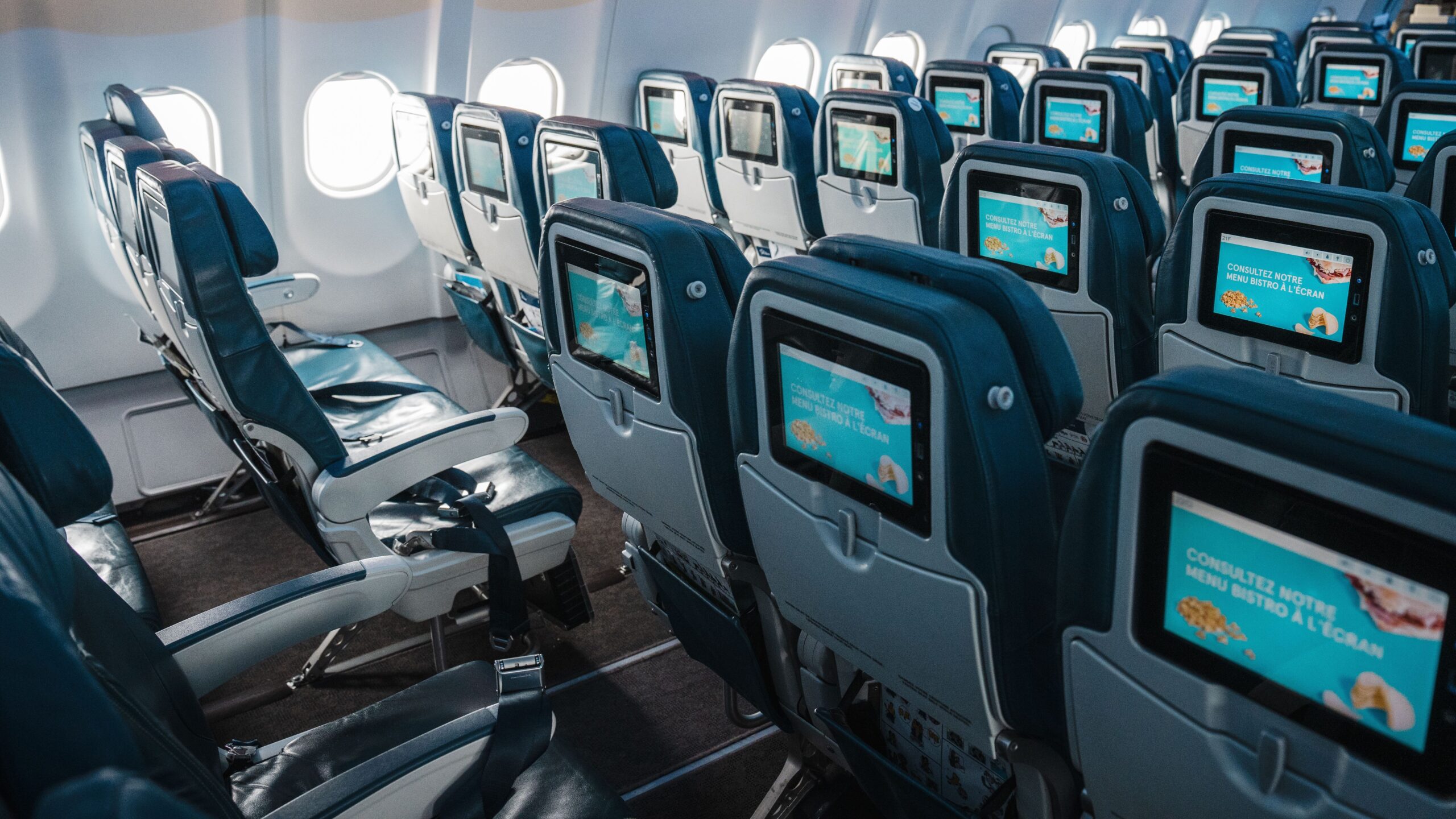
What Is SeatMaps? SeatMaps is an aircraft seat-map database designed to help travelers understand the cabin and seating configuration of a flight. Instead of simply showing that your flight operates on a Boeing 777 or Airbus A350, SeatMaps can help…

What Is Airline Revenue Management? How Airlines Price Seats
What Is Airline Revenue Management? How Airlines Price Seats If you’ve ever watched a flight cost $427 on Monday, $581 on Wednesday and then somehow fall back to $489 a few days later, you may have wondered what exactly the…
What Makes a Good Award Redemption? How to Know When to Use Miles
It’s easy to turn award travel into a math problem. A flight costs $1,000. The airline wants 50,000 miles. Divide one by the other, calculate your cents-per-point value and decide whether that is a good award redemption. There’s nothing inherently…