
The Endowment Effect in Airline Loyalty: Why Status and Miles Keep You From Switching
Airline loyalty psychology helps explain why sticking with one carrier can make perfect sense. If you fly one airline frequently, concentrating your travel can earn elite status, free checked bags, better seats, lounge access, upgrades and other valuable benefits.
But eventually, something interesting can happen.
You stop choosing the airline because it offers the best flight, and you start choosing it because of everything you’ve already accumulated.
- Maybe you have 180,000 miles.
- Maybe you’re halfway toward elite status.
- Maybe you’ve finally reached Gold after years of flying.
Suddenly, a competitor offering a cheaper nonstop flight doesn’t feel quite as attractive. And on top of that, switching airlines feels like giving something up.
Behavioral economics provides a useful explanation for this: the endowment effect.
The endowment effect describes our tendency to place greater value on something simply because we already own it. Researchers have observed that people can become more reluctant to give up something after acquiring it, even when an economically equivalent alternative exists.
Airline loyalty programs may create an unusually powerful environment for this effect.
Because once miles, status and benefits start feeling like yours, walking away from an airline can feel like losing something, even when another airline offers the better trip.
How Airline Loyalty Psychology Keeps Travelers Invested
Imagine someone gives you a coffee mug. Before owning it, maybe you would have been willing to pay $5 for it. However, once it’s yours, however, someone offers you $5 to give it back.
Suddenly, $5 doesn’t seem like enough, even though nothing about the mug changed.
Your relationship with it did.
This phenomenon became one of the classic concepts studied in behavioral economics. The basic idea is that establishing ownership can increase our subjective valuation of something. The endowment effect has also been closely associated with loss aversion: giving up something we possess can feel more consequential than never acquiring it in the first place.
Airline loyalty adds another layer.
You aren’t simply given status or miles, you earned them.
- You took the flights.
- You spent the money.
- You watched your mileage balance increase.
- You finally crossed the threshold into elite status.
That can make the psychological sense of ownership especially strong.
Airline Status Starts Feeling Like Something You Own
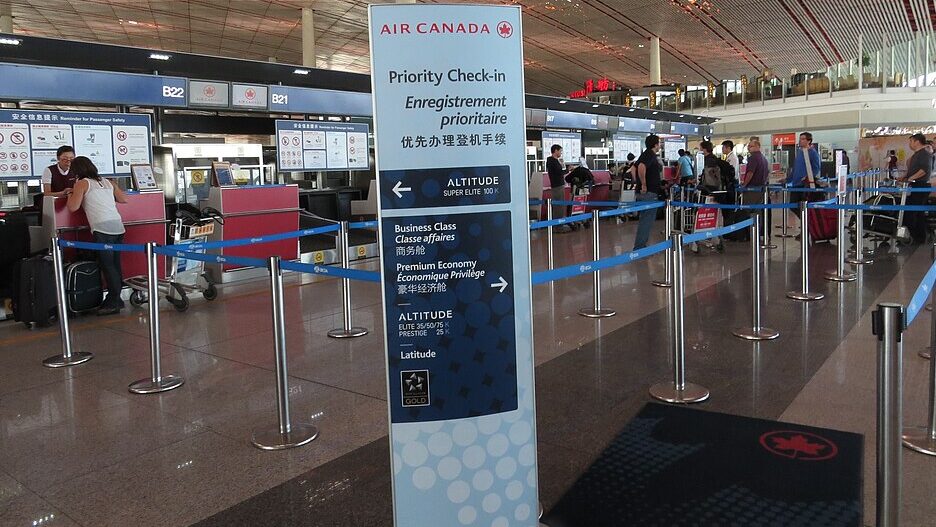
Consider a traveler who finally earns United Premier Gold.
They now have benefits they didn’t previously have: perhaps they value the priority services, enjoy better seat access, and find that Star Alliance Gold makes international travel more comfortable.
Maybe they’ve even received a few upgrades along the way. Over time, those benefits become familiar, and the status becomes part of how they experience air travel.
Now imagine that same traveler needs to fly from Newark to Los Angeles.
- United wants $497.
- JetBlue wants $327.
Both schedules work. The purely economic question is straightforward:
Are the incremental benefits of flying United worth $170?
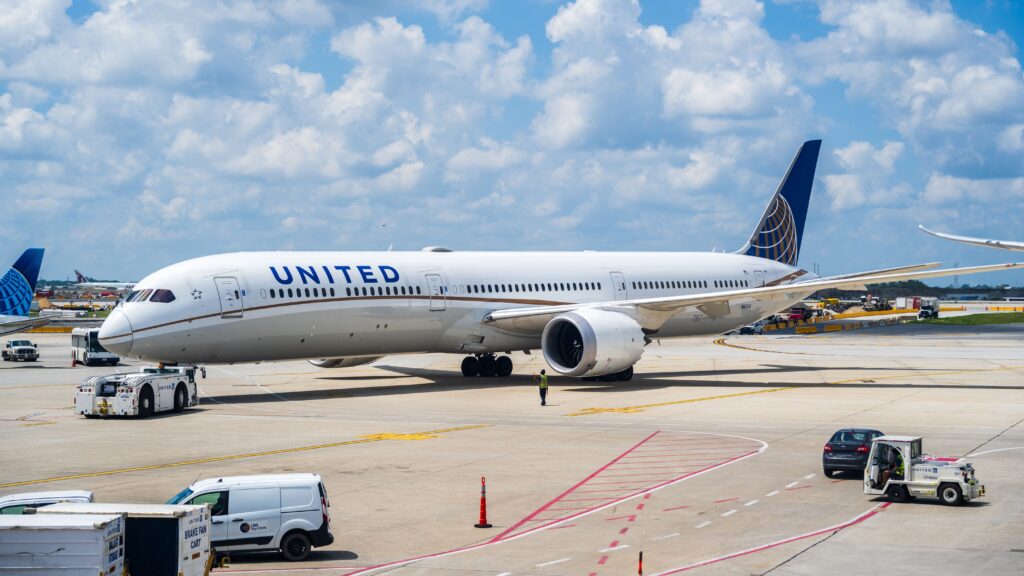
But that might not be how the traveler experiences the decision. Choosing JetBlue can feel like temporarily abandoning something they’ve already earned.
- No United benefits.
- No progress toward future United status.
- No additional MileagePlus activity from the flight.
- Potentially fewer familiar benefits throughout the trip.
The decision stops feeling like United vs. JetBlue and starts feeling like keep my benefits vs. give them up.
That’s a very different psychological frame.
Miles Can Create the Same Effect
Miles can produce another form of perceived ownership. Imagine you’ve accumulated:
243,000 Delta SkyMiles.
That’s a meaningful balance. But now, suppose American Airlines consistently offers better schedules for several trips you’re planning.
Logically, the miles you’ve already accumulated with Delta shouldn’t determine which airline provides the best value for your next cash ticket.
Your SkyMiles already exist.

Buying an American ticket doesn’t make them disappear, but psychologically, starting over somewhere else can feel inefficient.
You might think:
I already have all these Delta miles. I should keep building them.
That reasoning isn’t always wrong. Concentrating miles can absolutely be more useful than scattering small balances across numerous programs.
But there’s an important distinction between strategically concentrating future rewards and allowing previously accumulated rewards to dictate future purchases.
The question should remain:
Which option provides the greatest value from this point forward?
Not:
Which option best validates everything I’ve already done?
Loyalty Programs Make Leaving Feel Expensive
This is one reason loyalty programs can be so effective and it’s because their value doesn’t come exclusively from giving travelers rewards.
They can also increase the perceived cost of switching. Suppose you normally fly American and have AAdvantage elite status.
A competing airline offers a flight for $40 less.
You might still choose American.
That could be perfectly rational if your American benefits are worth more than $40 on that particular trip.

Now increase the difference to $150 and maybe you still choose American. What about $300? Eventually, there should be some price where the competing airline becomes the better choice.
But loyalty can make identifying that number surprisingly difficult. Instead of independently evaluating each flight, travelers can start with:
I’m an American flyer.
Then they look for reasons to justify staying with American.
The loyalty program has moved from being one factor in the decision to becoming the default around which the decision is made.
Elite Status Creates a Particularly Strong Attachment
Elite status may be even more psychologically powerful than miles because status is temporary.
A mileage balance generally remains available until you redeem it, subject to the rules of the particular program, whereas elite status typically has to be re-earned.
That creates a recurring objective…you’re no longer simply deciding where to fly. You’re trying to reach Silver → Gold → Platinum → top-tier status, or whatever hierarchy your airline uses.
And progress itself begins to have value.
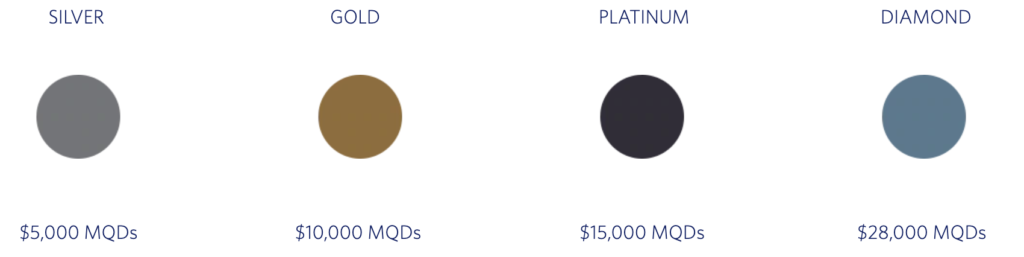
Imagine December arrives and you’re only a few hundred dollars away from qualifying for another year of status. Suddenly, taking an unnecessary flight or paying more to stay with the airline can feel reasonable.
Sometimes it genuinely is.
If spending $300 preserves benefits you’ll realistically use for $1,000 of value next year, the decision can be economically defensible.
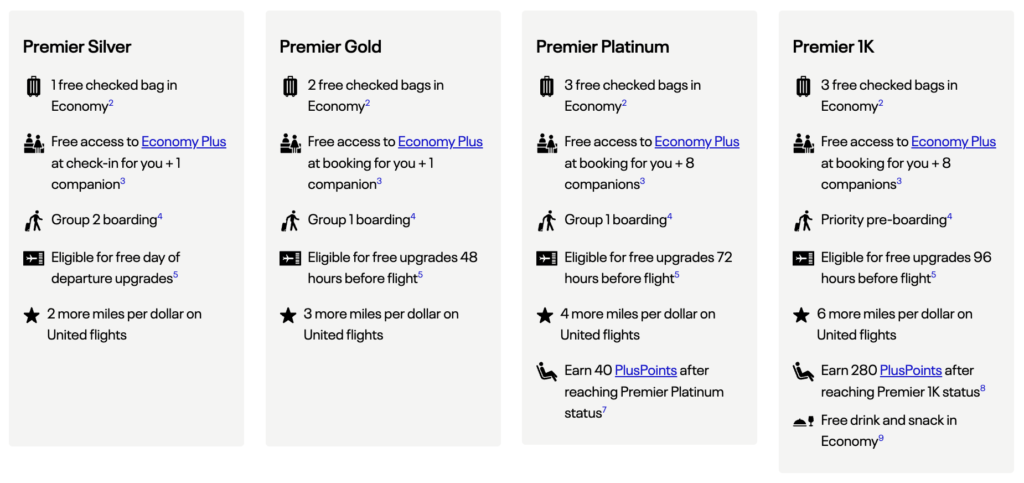
But travelers should be careful about the opposite scenario:
Spending money primarily because losing status feels painful.
That’s where rational optimization can quietly turn into status preservation for its own sake.
The Endowment Effect Isn’t the Same as the Sunk Cost Fallacy
These concepts can overlap, but they’re worth separating. The endowment effect involves assigning additional value to something because we possess it.
The sunk cost fallacy involves allowing resources we’ve already spent, and cannot recover, to influence what we do next.
Airline loyalty can trigger both.
Consider someone who says:
I’ve spent so much money earning status with this airline that I can’t switch now.
Part of that reasoning may involve sunk costs. The money spent on previous flights is gone regardless of what airline they choose tomorrow.
But another part may involve the endowment effect.
They now possess something, such as elite status, and giving it up feels like a loss. There’s also status quo bias, our tendency to favor continuing with the existing situation.
Behavioral economics often examines these ideas alongside one another because ownership, loss aversion and preference for the status quo can interact.
Airline loyalty can potentially activate all three.
Credit Cards Make the Ecosystem Even Stickier
Airline loyalty no longer exists exclusively in the air.
Co-branded credit cards allow customers to earn miles and receive airline-related benefits through everyday spending.
That can deepen the relationship considerably.
You may have:
- Elite status
- 150,000 miles
- An airline credit card
- Free checked bags
- Lounge access
- Upgrade eligibility
- Preferred seating
- Progress toward next year’s status
Now switching airlines doesn’t feel like changing one flight.
It can feel like leaving an entire ecosystem.
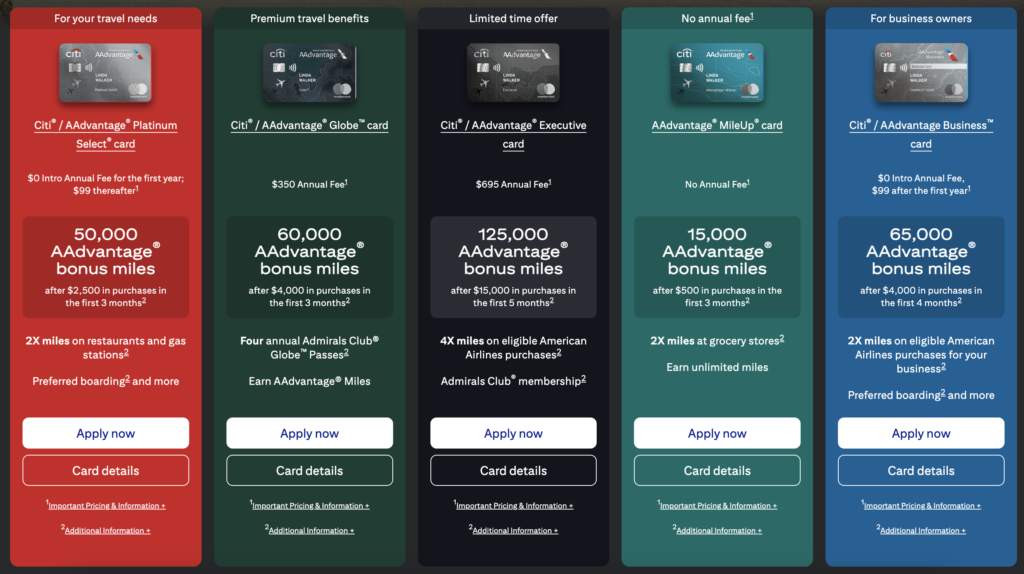
These relationships are economically important to airlines. American Airlines, for example, generates substantial revenue from its co-branded credit card partnership. Its financial disclosures describe the sale of mileage credits to its co-branded card partner, illustrating how loyalty programs can generate revenue even when members aren’t actually flying.
That creates a powerful ecosystem. Travelers earn miles through everyday spending, accumulate larger balances and become increasingly invested in the airline’s loyalty currency. Over time, switching airlines can begin to feel like abandoning value they’ve already built — exactly the kind of psychological attachment the endowment effect helps explain.
That’s an important reminder:
Airline loyalty isn’t designed accidentally.
Airlines have substantial economic incentives to keep travelers engaged with their loyalty ecosystems.
When Airline Loyalty Is Actually Rational
None of this means airline loyalty is irrational. There are plenty of situations where concentrating travel with one airline creates real economic value.
Suppose Airline A costs $30 more than Airline B.
But your status with Airline A gives you:
- A checked bag you’d otherwise pay for
- A preferred seat you’d otherwise purchase
- Priority services you value
- Better disruption support
- Lounge access on an eligible itinerary
Choosing Airline A might easily be the better deal.

The mistake would be comparing only $429 vs. $399. Your benefits have economic value too. The correct comparison is closer to:
Total value received from Airline A vs. total value received from Airline B.
That’s why loyalty itself isn’t the problem.
Unpriced loyalty is.
If you’re paying $150 more because your benefits are genuinely worth $200, loyalty helped you make a better decision. But, if you’re paying $150 more because “I’m a United person,” that’s a different calculation.
Give Your Loyalty a Price
One way to counteract the endowment effect is surprisingly simple:
Put a price on your benefits before comparing flights.
Suppose your elite status gives you benefits you value at approximately $60 on a particular trip.
- Airline A: $440
- Competitor: $390
The $50 premium may be perfectly reasonable.
But if Airline A charges $650 while the competitor still charges $390, all of a sudden, your $60 of benefits probably shouldn’t justify paying another $260.
The specific numbers will differ enormously from traveler to traveler, and that’s the point. One shouldn’t ask themselves:
Am I loyal to this airline?
Instead, they should be asking:
What is my loyalty actually worth on this trip?
That turns an emotional attachment back into a value calculation.
Don’t Chase Status Because You’re Close
Airlines make progress extremely visible. They do this in ways where:
- You can see your miles.
- Your status.
- Your qualifying activity.
- How far you are from the next tier.
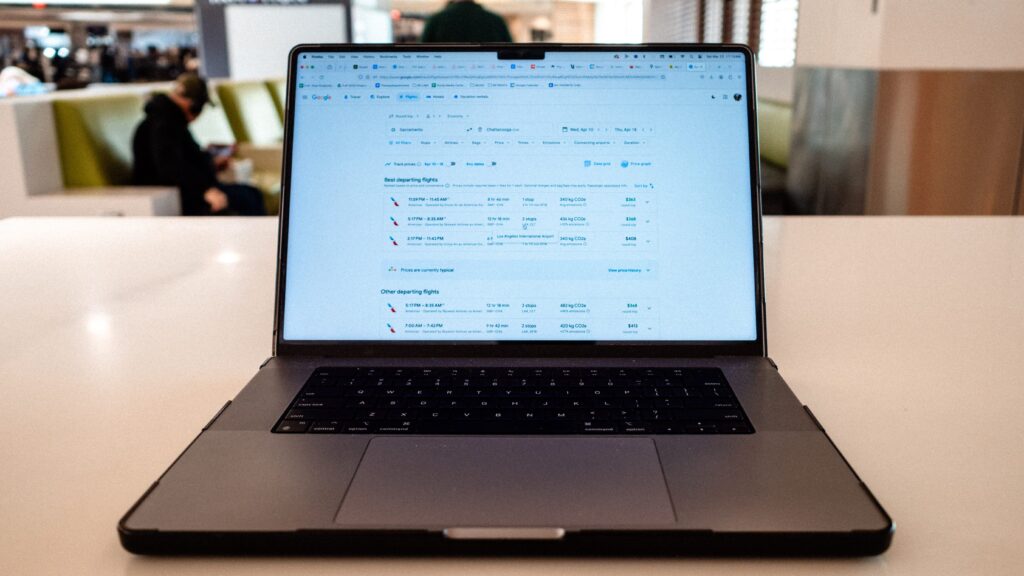
That progress can be motivating. But being close to something doesn’t automatically make completing it worthwhile. Imagine you need another $800 of qualifying spend to reach the next status tier.
The relevant question isn’t:
I’ve already come this far. Why stop now?
It’s:
Will the incremental benefits of the next tier realistically provide more than $800 of value to me?
If the answer is yes, pursuing status could make sense. However, if the answer is no, the fact that you’re 90% of the way there doesn’t magically make the final 10% valuable.
Your progress is information, but it shouldn’t be an instruction.
Your Miles Don’t Require Your Loyalty
Miles can create the same psychological attachment. Once someone has accumulated a large balance with one program, those miles can feel like a reason to continue earning within the same ecosystem.
But travelers who understand how to find award availability may discover that flexibility across programs produces considerably more value. And on top of that, having a large mileage balance with an airline does not necessarily mean you should continue buying its flights.
Those are separate decisions. You can redeem previously accumulated miles while purchasing future tickets from whichever airline provides the best value.
You can hold elite status with one airline and still book another when the schedule is dramatically better. Likewise, you can have an airline credit card and still take a competitor’s nonstop flight.
Loyalty programs naturally encourage travelers to think in ecosystems, but individual trips still have individual economics.
Sometimes the rational decision is loyalty, and other times it’s switching.
The Best Airline Isn’t Always Your Airline
One of the biggest advantages of abandoning automatic loyalty is that your options expand.
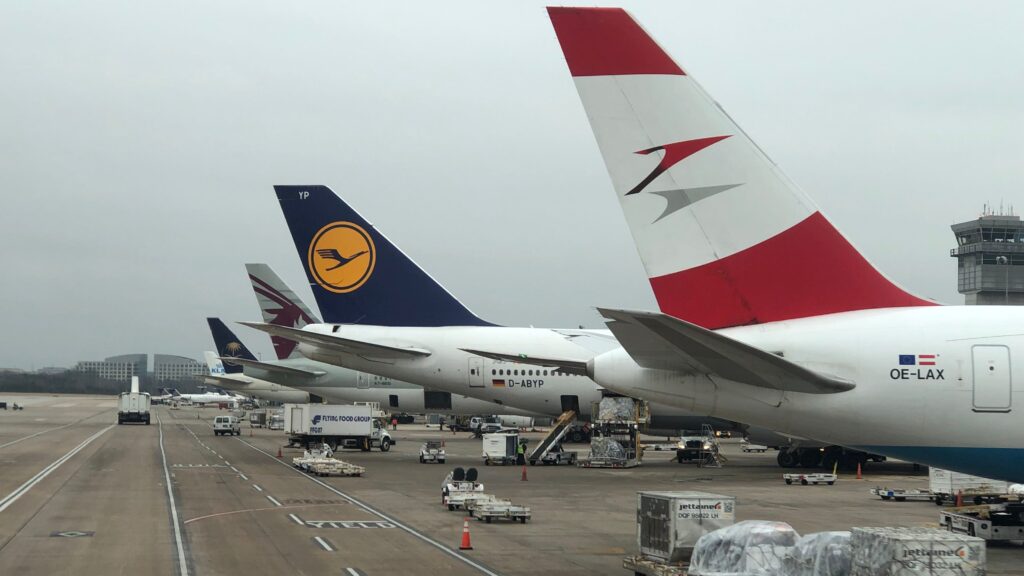
- Perhaps Delta has the best schedule today.
- United has the best fare next month.
- American offers the best nonstop route for another trip.
- A foreign carrier offers dramatically better Premium Economy across the Atlantic.
Once loyalty becomes a benefit rather than a requirement, you can evaluate those options independently.
That doesn’t mean spreading every trip across random airlines. There are legitimate advantages to concentrating travel.
It means loyalty should have to earn its place in the calculation.
The Fare Theory
Airline loyalty programs can create real value, and that’s precisely why they’re powerful. Once you’ve accumulated miles, earned status and become accustomed to certain benefits, those things begin to feel like possessions.
Giving them up, even temporarily, can feel like losing something, and that can change how you evaluate the next flight.
The solution isn’t to avoid airline loyalty.
It’s to recognize what loyalty is doing to the decision.
- Your status has value.
- Your miles have value.
- Your benefits have value.
But so does your money, your time and your alternatives.
The fact that you earned loyalty yesterday doesn’t mean you owe the airline your business tomorrow.