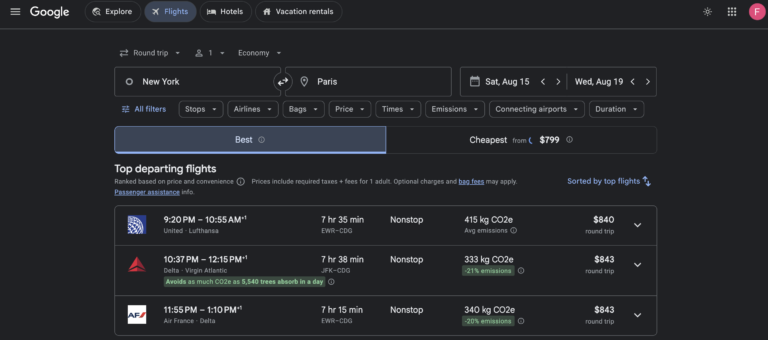

How Newark Became One of United Airlines’ Most Important Hubs
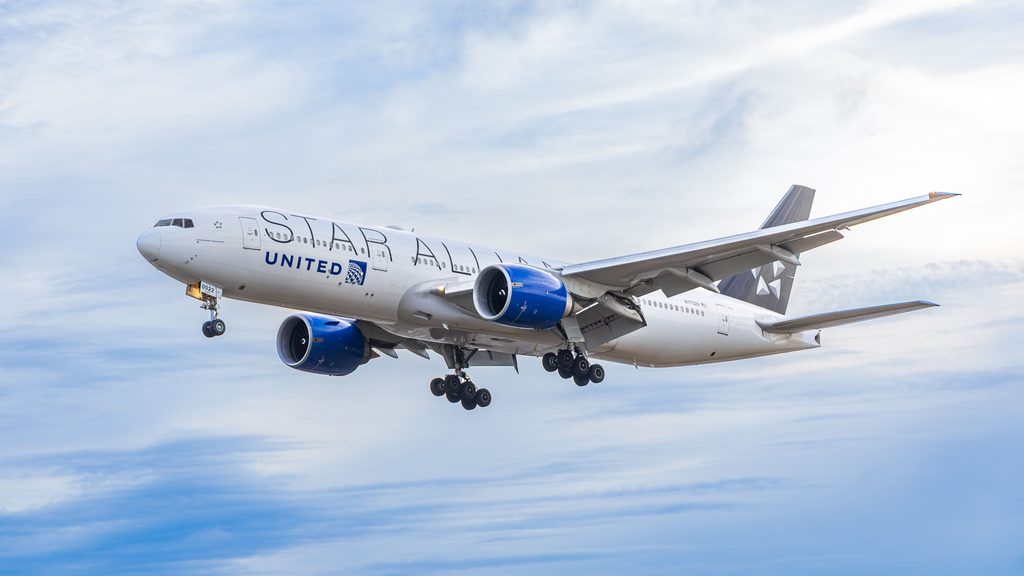
The United Airlines Newark hub is one of the most strategically important operations in the airline’s network. From Newark Liberty International Airport (EWR) in northern New Jersey, United connects travelers across the United States with destinations throughout Europe, Asia, Latin America, and beyond.
But Newark wasn’t always a United Airlines hub.
Much of the airport’s modern importance can be traced to Continental Airlines, which spent decades developing Newark into a major connecting hub before merging with United in 2010.
Today, Newark represents something much larger than a convenient departure point for travelers in New Jersey and New York. It is a valuable piece of United’s network strategy, giving the airline access to one of the country’s largest metropolitan markets while supporting an extensive international route network.
Understanding how Newark became so important reveals something fundamental about airline economics: the value of an airport isn’t determined only by how many passengers live nearby, but also by how effectively an airline can connect those passengers to the rest of its network.
TL;DR: Why Is Newark So Important to United Airlines?
Newark became one of United Airlines’ most important hubs largely because Continental Airlines developed a substantial connecting operation there before merging with United in 2010.
Several factors explain why EWR remains strategically valuable:
- Access to New York City: Newark serves one of the largest and most economically significant metropolitan areas in the world.
- International connectivity: Its location and established infrastructure support an extensive transatlantic network.
- Connecting traffic: United can combine passengers originating in New York and New Jersey with travelers connecting from other cities.
- Established infrastructure: Decades of investment in terminals, gates, routes, and operations make the hub difficult to replicate elsewhere.
- Network economics: Newark helps United support routes that might be less viable if they depended entirely on local passengers.
The Fare Theory take: Newark isn’t important to United simply because it’s near New York City. It’s important because Continental built a powerful connecting network there, and United inherited an operation that would be extraordinarily difficult to recreate from scratch.
Newark Before United Airlines
Newark’s aviation history predates United’s modern hub operation by many decades.
Newark Metropolitan Airport opened in 1928, becoming one of the earliest major commercial airports serving the New York metropolitan region.
Its location in northern New Jersey offered an important advantage: access to the population and businesses of the greater New York area without being located directly in Manhattan.
During the early development of commercial aviation, airports competed to attract airlines, passengers, and investment. Newark became an important part of the region’s aviation infrastructure, although the development of LaGuardia and later John F. Kennedy International Airport changed the competitive landscape.
For much of its history, Newark was one of several airports serving the New York market rather than the dominant international connecting hub travelers recognize today.
New York-area demand alone didn’t automatically make Newark a major airline hub. The airport needed an airline willing to concentrate flights, develop connecting schedules, and invest in the facilities necessary to support a large operation.
Continental Airlines eventually became that airline.
How Continental Airlines Built Newark Into a Major Hub
The foundation of United’s modern Newark hub was established by Continental Airlines. Continental began developing Newark as a connecting hub during the 1980s, taking advantage of the airport’s access to the New York metropolitan market and the opportunity to build a concentrated network of domestic and international flights.
Rather than treating Newark as simply another airport with flights to major destinations, Continental developed an operation designed to connect passengers across its broader network.
Consider a traveler flying from Cleveland to Lisbon.
A nonstop flight between those cities might not attract enough passengers to operate profitably year-round. But if the airline can bring passengers from Cleveland, Pittsburgh, Buffalo, and numerous other cities into Newark, it can combine that demand onto a single international departure.
This is the central advantage of the hub-and-spoke model.
Continental could use Newark to support international flights that might otherwise struggle to generate enough demand from one origin city alone.
Terminal C Became Part of Continental’s Competitive Advantage
Building a hub requires more than just adding flights. Airlines need gates, terminal capacity, baggage systems, maintenance facilities, and schedules that allow passengers to connect efficiently.
Continental invested heavily in Newark’s infrastructure, particularly Terminal C, which became closely associated with its operations. The Port Authority’s historical airport reporting documents major terminal development and expansion at Newark, helping explain how the airport’s infrastructure supported Continental Airlines’ growing hub operation.
These investments created an important advantage.
Once an airline has established hundreds of interconnected flight opportunities, terminal infrastructure, operating facilities, and customer relationships at an airport, competitors cannot easily reproduce the same network simply by introducing a few competing routes.
Continental was building more than a collection of flights.
It was building a network centered on Newark.
How the United–Continental Merger Changed Newark
On October 1, 2010, United Airlines and Continental Airlines completed their merger, creating one of the world’s largest airlines.
The transaction combined two extensive airline networks, including Continental’s established Newark hub and United’s major operations at airports such as Chicago O’Hare, Denver, San Francisco, and Washington Dulles.
The merger did not create Newark’s importance from nothing.
Instead, it placed Continental’s existing Newark operation inside a much larger airline network.
According to the official United–Continental merger announcement, the combined airline brought together complementary domestic and international route systems.
For Newark, that meant becoming part of a carrier with a broader geographic reach, a larger customer base, and more opportunities to coordinate connections across multiple hubs.
Why the Merger Made Newark Even More Valuable
Imagine a passenger traveling from a smaller U.S. city to Europe. Before the merger, the available routing options depended on Continental’s network and its airline partnerships.
After the networks were combined, United had additional opportunities to connect passengers across the merged system, subject to scheduling, route availability, and operational constraints.
Newark also complemented United’s existing international gateways.
San Francisco provided an important position for transpacific travel. Chicago and Denver served large domestic connecting markets. Washington Dulles supported domestic and international service in the Mid-Atlantic.
Newark gave the combined airline an established gateway into the New York metropolitan area and an extensive transatlantic operation. Rather than rebuilding a comparable hub at another New York-area airport, United inherited one that Continental had already spent decades developing.
That inheritance is one of the biggest reasons Newark remains central to United today.

Why the United Airlines Newark Hub Matters
Newark’s location is one of its most obvious advantages, but the economics go beyond being close to New York City.
The airport sits within the New York metropolitan region, giving United access to substantial demand from business travelers, leisure passengers, international visitors, and residents traveling to destinations around the world.
New York is an especially valuable market because it generates demand for a wide variety of destinations.
Some passengers are willing to pay more for convenient nonstop flights. Others prioritize schedules, airline loyalty benefits, or the ability to connect onward to smaller destinations.
That variety of demand makes the market attractive for a network airline.
Newark’s Transatlantic Advantage
Newark is particularly well positioned for flights between the northeastern United States and Europe. Its geographic location helps support transatlantic operations, but geography alone does not explain the hub’s scale.
The larger advantage comes from combining local New York-area passengers with connecting travelers arriving from elsewhere in United’s network.
For example, a Newark-to-Paris flight could carry passengers originating in New Jersey, Manhattan, Cleveland, Columbus, or other cities served through United’s connecting network. Each group contributes demand to the same international flight.
In September 2025, United reported serving 82 international destinations from Newark, highlighting the scale of the airport’s international operation. In its official Newark network update, the airline outlined the airport’s importance to its international network and its plans for continued investment.
Why Connecting Passengers Matter
A large metropolitan area can generate substantial local demand, but a hub allows an airline to draw passengers from far beyond its immediate market.
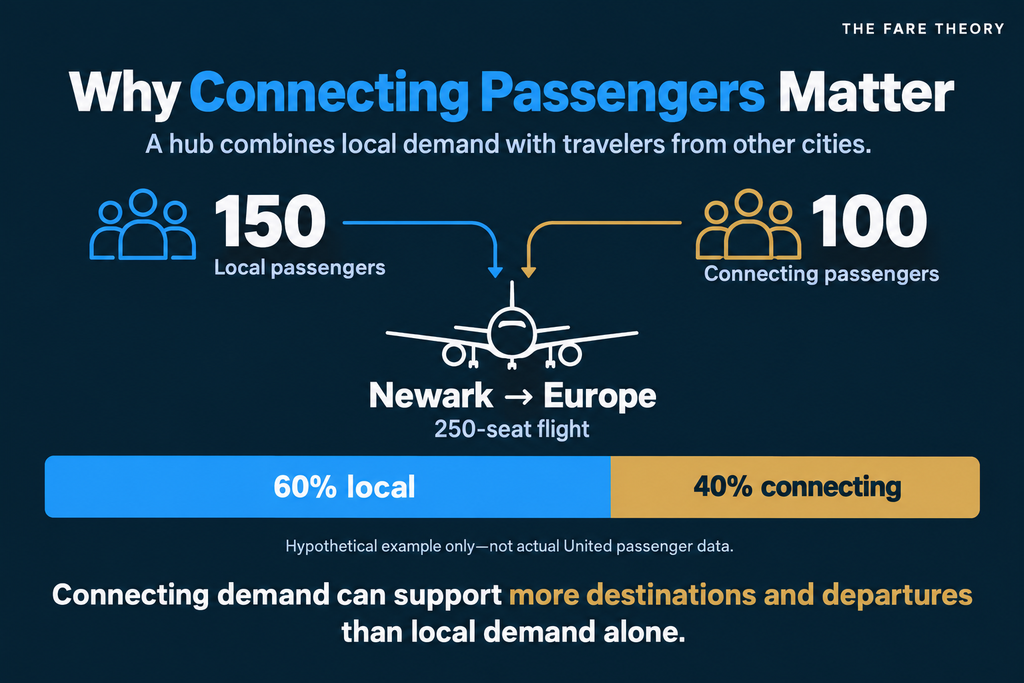
Consider a hypothetical 250-seat flight from Newark to Europe. It might carry 150 passengers starting their journey at Newark and 100 connecting from other cities, a mix of 60% local and 40% connecting traffic. These figures are illustrative, not actual United passenger data.
Without those connections, the airline would need to attract another 100 local passengers to fill the same aircraft. A hub brings demand from multiple cities together onto one departure, helping support more destinations and more frequent flights than local demand alone might justify.
The Economics of United’s Newark Hub
Newark’s value becomes even clearer when viewed through airline economics.
Airlines operate in a business with substantial fixed and operating costs. Aircraft, crews, airport facilities, maintenance, and other resources must be paid for regardless of whether every seat is sold.
A hub helps an airline distribute passenger demand across a larger network. But it also creates opportunities to improve the economics of individual routes.
1. Connecting Traffic Supports More Destinations
A nonstop route doesn’t necessarily need to survive entirely on passengers traveling between its two endpoints. At Newark, United can combine local demand with connecting passengers from other markets.
This can help support additional frequencies and destinations, creating more choices for travelers while strengthening the overall network.
2. More Connections Can Make the Hub More Attractive
A hub becomes more useful as its network expands. Adding a destination doesn’t just create one new route. It can also create new connecting itineraries with numerous existing destinations.
For example, adding another European destination from Newark potentially creates additional itinerary options for passengers arriving from many domestic cities. That does not mean every connection is commercially viable or operationally practical. Flight schedules, minimum connection times, competition, and passenger demand still matter.
But the broader principle is important: a hub’s value comes partly from the connections between its routes, not just the routes themselves.

3. A Strong Hub Can Influence Pricing
A traveler flying nonstop from Newark to London may value the convenience of avoiding a connection. Another traveler flying from a smaller U.S. city through Newark may be comparing several connecting options across different airlines.
Even though those passengers might travel on the same transatlantic flight, they can face very different competitive conditions and fare options.
Airlines must therefore consider more than the number of empty seats on an aircraft.
They evaluate demand across different origin-and-destination markets, expected future bookings, and the revenue opportunities associated with different itineraries. This is closely connected to airline revenue management, which explains how airlines forecast demand and control inventory to improve flight revenue.
4. Hub Dominance Doesn’t Automatically Mean Cheaper Flights
One of the more interesting consequences of a major hub is that more flight options don’t necessarily result in lower prices. A dominant airline may offer travelers more nonstop destinations, convenient schedules, and frequent service.
Those benefits can be valuable, particularly to passengers who prioritize convenience.
However, fares still depend on competition, demand, inventory, and the characteristics of the individual market. A route with multiple competing airlines may have different pricing dynamics from one where a single carrier provides the most convenient nonstop option.
This is why an airline can simultaneously offer an extensive network and charge a premium for certain itineraries.
Why United Can’t Easily Replace Newark
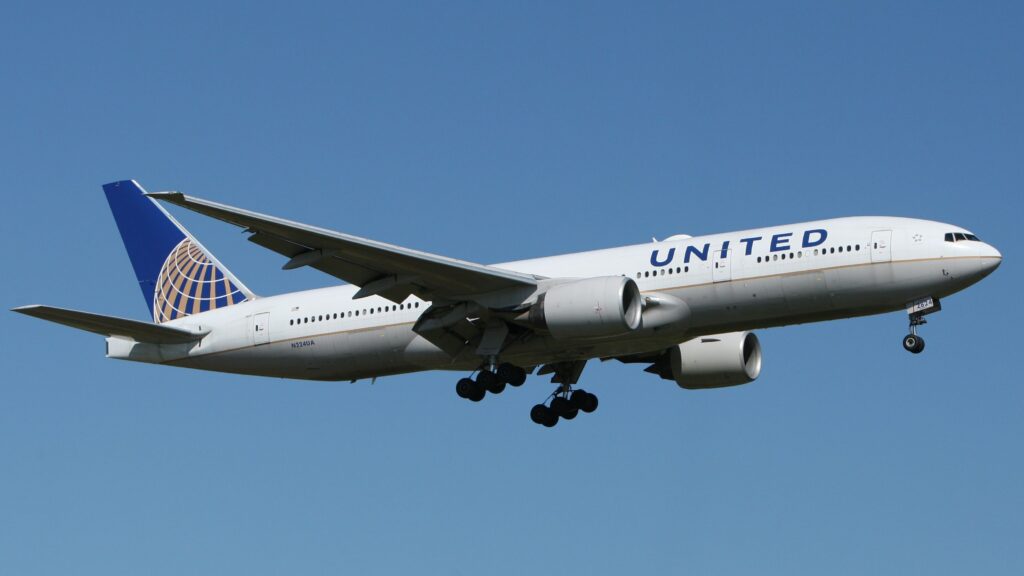
If Newark experiences operational challenges, why doesn’t United simply move more of its flights to another airport?
The answer is that replacing a hub is far more complicated than relocating individual flights. United has spent years integrating Newark into its network, and Continental spent decades establishing the operation before that. And moving a meaningful portion of that network elsewhere would involve substantial trade-offs.
Airport Infrastructure Isn’t Easily Replicated
A large hub requires sufficient gates, terminal space, baggage handling capacity, maintenance facilities, staffing, and access to the surrounding airspace. Other New York-area airports have their own infrastructure limitations and competing airline operations.
Even if United wanted to shift a significant number of flights from Newark to JFK or LaGuardia, doing so would not be as simple as finding an available gate.
It would also need to consider airport access rights, scheduling, operational capacity, passenger connections, and the costs of reorganizing its network.
Moving Flights Can Weaken Connections
Imagine United moves several domestic flights from Newark to another airport while keeping most of its international departures at EWR.
Passengers arriving on those domestic flights would no longer have convenient same-airport connections to Newark’s international network. The airline could lose some of the connectivity that makes the hub valuable in the first place.
This creates a strategic trade-off….
An airline may want to diversify its operations, but spreading flights across multiple airports can reduce the benefits of concentrating them in one place. A hub works because its flights connect with one another. Separating those flights can weaken the network.
Newark’s Operational Constraints Are Real
Newark’s importance doesn’t mean the airport is without problems.
The airport operates in some of the country’s most complex and congested airspace. Weather, runway capacity, air traffic control staffing, and equipment reliability can all affect its operations.
These constraints became particularly visible in 2025. The Federal Aviation Administration introduced flight restrictions following a period of significant operational disruption involving air traffic control staffing, technology issues, runway construction, and congestion.
In September 2025, the FAA extended Newark’s flight limits through October 24, 2026, setting a maximum of 72 scheduled hourly operations, with no more than 36 arrivals and 36 departures.
That created an important tension for United.
Newark is valuable partly because it supports an extensive connecting network. But operating more flights than the airport can reliably accommodate can undermine that network through delays, missed connections, and cancellations.
In other words, maximizing the number of flights isn’t necessarily the same as maximizing the value of the hub. United’s own September 2025 reporting highlighted improvements in Newark’s operational performance following capacity reductions and infrastructure measures.
The challenge is finding the right balance between connectivity, capacity, and reliability.
What United’s Newark Strategy Means for Travelers
For travelers, Newark’s role as a major United hub creates both advantages and disadvantages. The most obvious advantage is access to an extensive network of nonstop destinations.
Passengers originating in the New York metropolitan area can reach numerous domestic and international destinations without connecting through another airport.
Travelers originating elsewhere can use Newark as a gateway to destinations that might not have sufficient demand for nonstop service from their home airports.
But there are trade-offs.
More Nonstop Flights Can Mean Greater Convenience
Nonstop flights reduce the need to connect, potentially saving time and reducing exposure to missed connections.
For a traveler deciding between a nonstop United flight from Newark and a connecting itinerary through another hub, that convenience may justify paying more.
The value depends on the individual trip. A nonstop flight might be particularly attractive for a short vacation, a business trip, or an itinerary where arriving on time is especially important.
A Dominant Hub Doesn’t Guarantee the Lowest Fares
United’s extensive Newark network gives travelers a large selection of destinations, but it doesn’t guarantee that United will offer the cheapest ticket.
Some routes face substantial competition from other airlines and nearby airports. Others may have fewer convenient nonstop alternatives, which can influence pricing.
As we explain in How Airlines Price Flights, airfare isn’t determined solely by distance or operating costs. Competition, passenger demand, and inventory management all influence the price travelers ultimately pay.
Hub Connections Create Additional Disruption Risk
Connecting through Newark can open up more destinations, but it also introduces the possibility of a missed connection.
A delay on an inbound flight can affect a passenger’s onward itinerary, especially when the connection is relatively short. This is not unique to Newark. It is a characteristic of connecting through any major hub.
However, because of Newark’s congested airspace and operational constraints make connection planning particularly relevant. For travelers with important international connections, the lowest-priced or shortest itinerary may not always represent the best overall value.
A longer connection or a nonstop alternative could be worth considering depending on the consequences of a delay.

Frequently Asked Questions
Is Newark Airport a United Airlines hub?
Yes. Newark Liberty International Airport is one of United Airlines’ major U.S. hubs and a particularly important gateway for transatlantic and other international flights.
Was Newark originally a Continental Airlines hub?
Yes. Continental developed a major connecting operation at Newark before merging with United in 2010. Continental’s network and investments in Terminal C helped establish the foundation of United’s current operation.
Why does United use Newark instead of JFK?
United inherited Continental’s established Newark hub through the 2010 merger. Newark already had the connecting network, facilities, and operational infrastructure needed to support a major hub. Recreating a comparable operation at JFK would involve significant logistical, commercial, and airport-capacity challenges.
Why is Newark important for international flights?
Newark combines access to the New York metropolitan market with connecting passengers from other cities. That combination helps United support an extensive international network, particularly across the Atlantic.
Is Newark United’s biggest hub?
Not necessarily. The answer depends on the metric being measured, such as daily departures, passengers, destinations, or international capacity. Newark is especially significant as an international gateway rather than being the largest United hub by every measure.
The Fare Theory Take: Newark Is More Than an Airport
Newark’s importance to United Airlines wasn’t created overnight. It emerged through decades of network development, infrastructure investment, airline consolidation, and strategic decisions about where to concentrate flights.
Continental recognized Newark’s potential as a gateway to the New York market and developed a connecting operation around it.
The United–Continental merger brought that network into a larger airline system, making Newark an integral part of United’s domestic and international strategy.
Today, the airport offers United something that would be extremely difficult to reproduce elsewhere: an established combination of local passenger demand, connecting traffic, international routes, and dedicated infrastructure.
But Newark also illustrates the limitations of hub economics. Concentrating flights creates valuable connections, yet it can increase exposure to congestion and operational disruption. Offering more nonstop service can improve convenience, but it doesn’t necessarily produce cheaper tickets.
The lesson isn’t simply that Newark is important because United operates so many flights there. It’s that United can operate such an extensive network partly because Newark functions as a hub.
And that distinction helps explain why airlines invest so heavily in particular airports, why they defend those positions, and why the structure of an airline’s network can influence everything from the destinations travelers can reach to the prices they ultimately pay.