Is Business Class Worth It? How to Decide Before You Pay
What Do You Actually Get in Business Class?
The term business class describes a cabin category, not one standardized experience. Depending on the airline, aircraft and route, business class could mean anything from a slightly larger recliner to a private suite with a fully flat bed.
Typical benefits can include:
- Larger or lie-flat seats
- More personal space
- Better meals and drinks
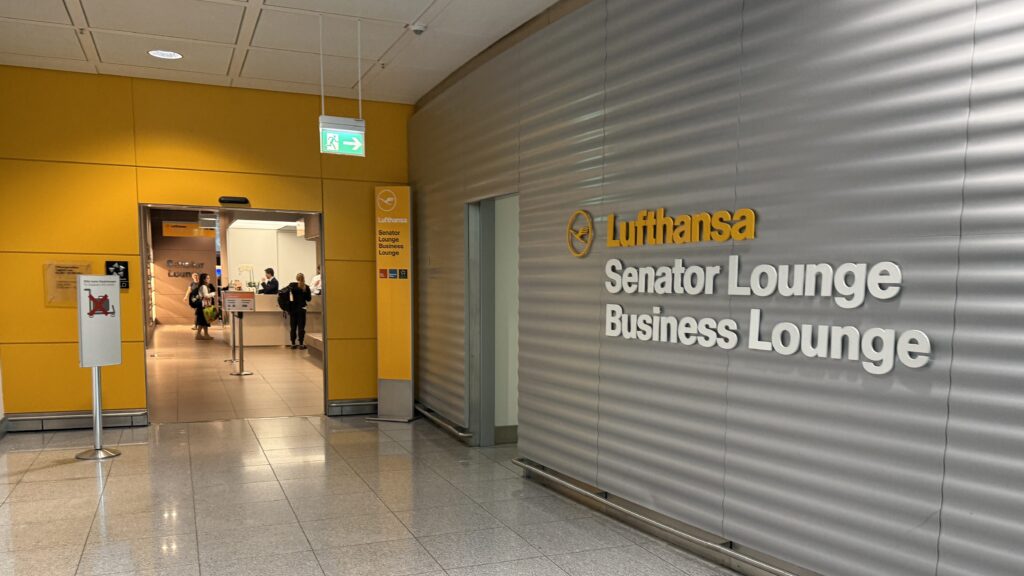
- Lounge access
- Priority check-in, security or boarding
- Additional checked baggage
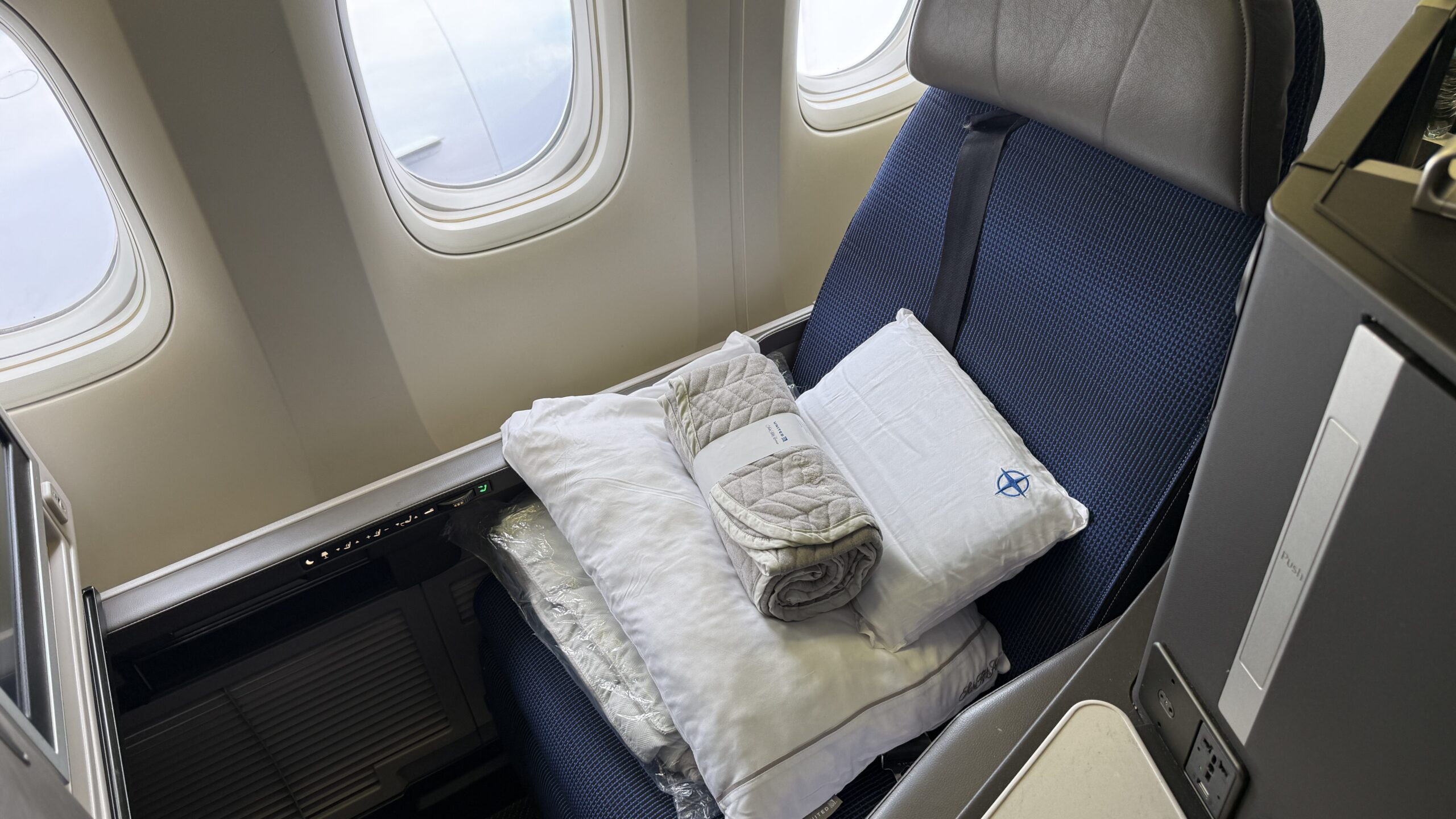
- Improved bedding and amenities
- Greater flexibility on some fares
But the differences between products can be enormous.
A short regional business-class flight and a 14-hour international business-class flight technically share the same cabin label while delivering fundamentally different experiences.
That’s why evaluating the actual aircraft and product matters more than evaluating the words “Business Class.”
Why Business Class Can Be Worth Much More on Long Flights
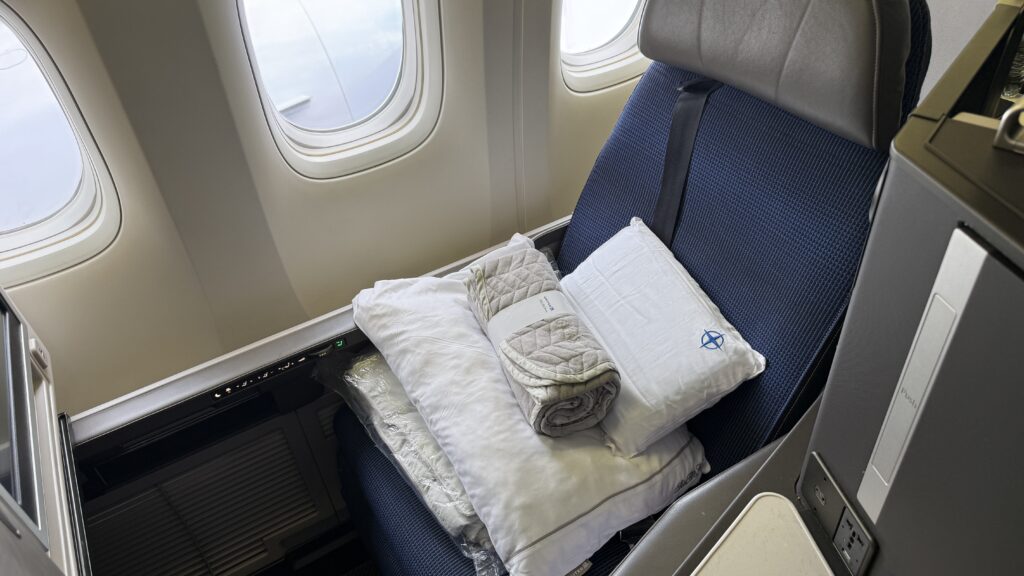
Duration changes the value equation. Imagine paying an additional $800 for business class.
- On a two-hour flight, that’s effectively $400 of additional cost per flight hour.
- On a 10-hour flight, it’s $80 per hour.
That doesn’t automatically make the longer-flight upgrade worthwhile, but it illustrates why the same upgrade price can represent very different value.
More importantly, the benefits themselves become more useful as the flight gets longer. While a larger seat is pleasant for two hours, a lie-flat bed can fundamentally change an overnight flight.
Overnight Flights Change the Equation
Sleep is one of the strongest arguments for paying more for business class. If an overnight business-class seat allows you to arrive rested enough to enjoy your first day rather than losing it to exhaustion, you’re buying more than additional seat space.
You’re potentially buying usable time at your destination. That fits one of the central ideas behind The Fare Theory:
Points are renewable. Time is not.
The value of the upgrade therefore extends beyond the aircraft.
Not All Business-Class Seats Are Equal
This is one of the biggest mistakes travelers can make when evaluating an upgrade.
Consider two flights marketed as business class.
| Flight A | Flight B |
|---|---|
| Recliner seat, 38-inch pitch | Fully lie-flat seat |
| No direct aisle access | Direct aisle access |
| 3-hour flight | 10-hour overnight flight |
Calling both products “business class” doesn’t tell you much about the experience you’re actually buying. Even on similar routes, the seat itself can make a huge difference in comfort and value.
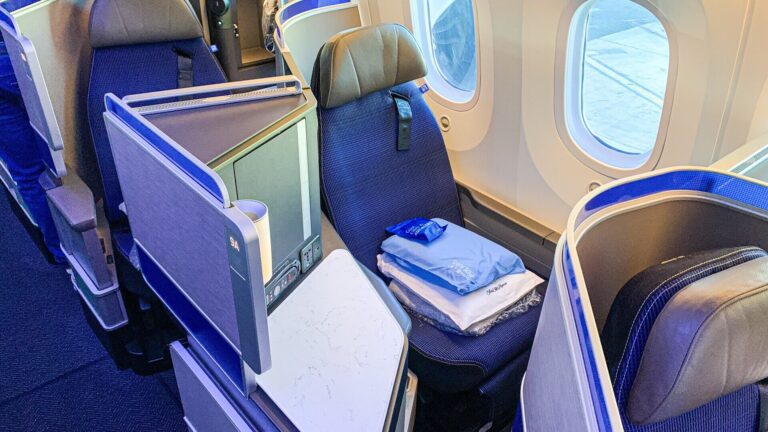
Before paying a substantial premium, check the aircraft, cabin configuration, seat type, and seat map. A newer lie-flat seat with direct aisle access is a very different proposition from an older or more tightly configured business-class cabin.
It’s also worth researching the scheduled aircraft before you book, since the aircraft operating your flight can heavily influence the onboard experience.
Business Class vs. Premium Economy
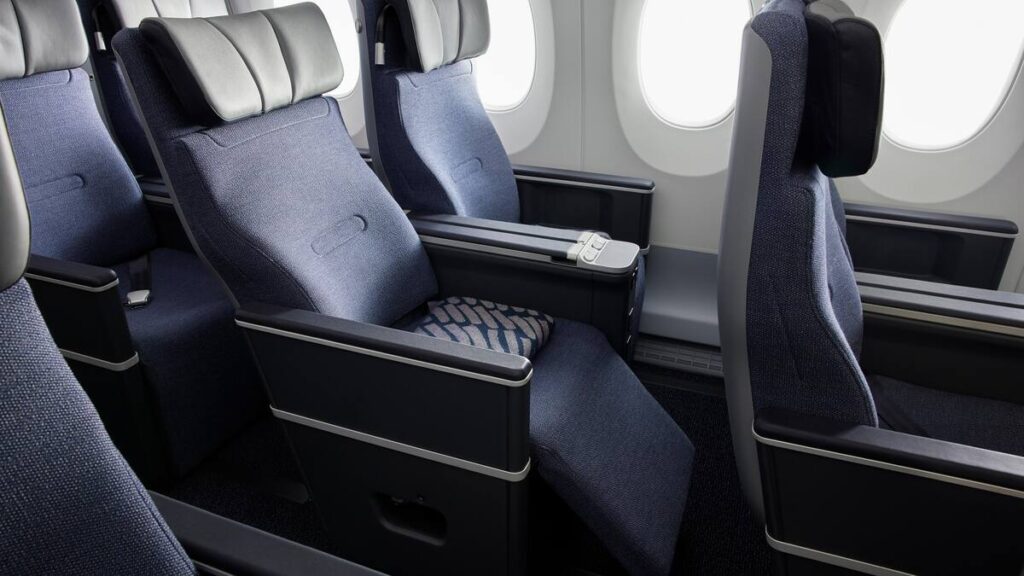
This is where the decision becomes more interesting because the alternative to business class isn’t always economy. On many long-haul flights, Premium Economy sits between economy and business class in both price and experience.
That creates three choices:
Economy → Premium Economy → Business Class
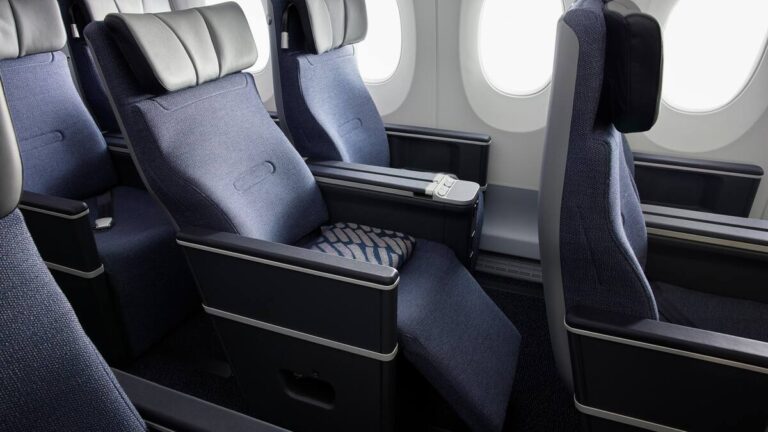
Premium Economy may provide:
- Additional seat pitch
- Greater recline
- Wider seats
- Smaller cabin
- Improved meals
- Priority benefits
while costing substantially less than business class.
But it generally doesn’t provide the defining feature of long-haul business class:
A lie-flat bed.
If your priority is simply having more room, Premium Economy may provide much of the value you’re looking for. If your priority is sleeping horizontally on an overnight flight, business class represents a fundamentally different product.
How Much More Is Business Class Worth?
There is no universal dollar amount. Instead, evaluate the incremental cost. Suppose your options are:
| Cabin | Price |
|---|---|
| Economy | $650 |
| Premium Economy | $1,050 |
| Business Class | $2,100 |
Business class doesn’t really cost you $2,100 in this decision. If you were already going to purchase Premium Economy, the relevant question is whether business class is worth the additional $1,050.
If you were going to purchase Economy, the incremental cost is $1,450. That’s a much more useful way to think about upgrades.
Use the Upgrade Value Calculator
This is exactly why I built the The Fare Theory Upgrade Value Calculator.
Instead of asking whether an upgrade is generically “worth it,” the calculator helps you evaluate the actual offer in front of you based on factors such as the upgrade cost and flight duration.
A Useful Metric: Upgrade Cost Per Hour
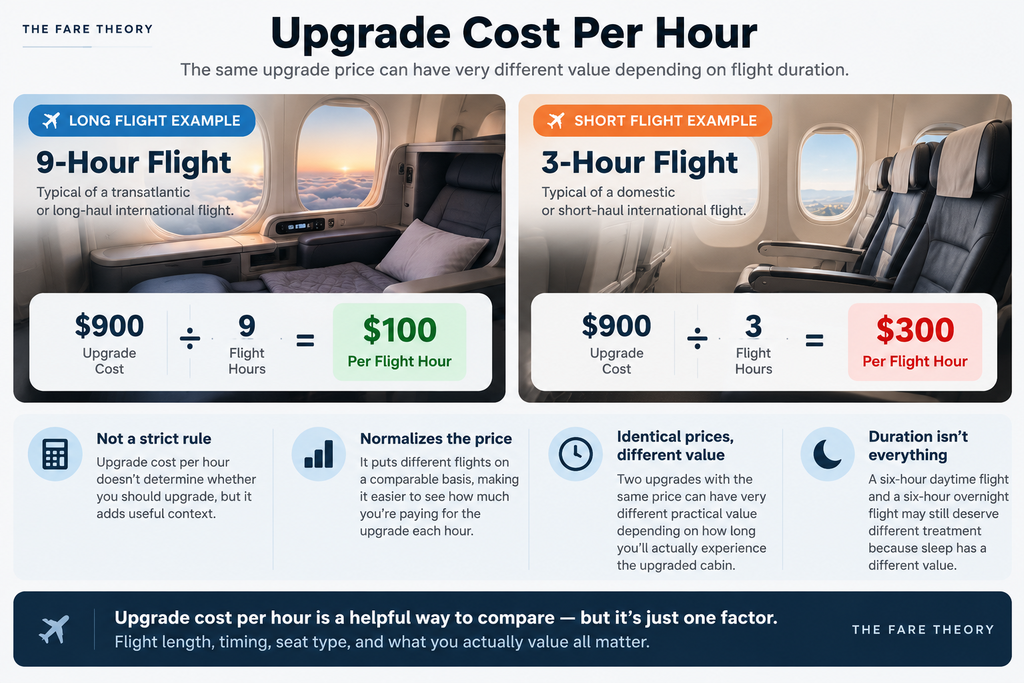
One simple way to add context is to divide the additional cost by the flight duration. Tkae these two flights for example:
- $900 upgrade ÷ 9-hour flight = $100 per flight hour
- $900 upgrade ÷ 3-hour flight = $300 per flight hour
While we’re not saying there’s a specific amount threshold that would determine if it might the upgrade might be worth it, it simply normalizes the price.
Two upgrades with identical prices can have very different practical value depending on how long you’ll actually experience the upgraded cabin.
And duration isn’t everything. A six-hour daytime flight and a six-hour overnight flight may still deserve different treatment because sleep has different value.
When Business Class May Be Worth Paying For
Business class becomes more compelling when several factors line up. Here are some considerations that we take into account when deciding:
- Long flight. You have more time to use the seat, service and amenities.
- Overnight schedule. A lie-flat bed becomes considerably more useful.
- Reasonable incremental price. The difference between your intended cabin and business class isn’t extreme.
- Strong business-class product. You’re actually getting a meaningful cabin improvement.
- Important arrival day. Being rested has unusually high value because of work, an event or limited vacation time.
- Premium Economy is expensive anyway. Sometimes the jump from Premium Economy to business is surprisingly small.
The important point is that these factors work together.
A long flight doesn’t automatically make an expensive upgrade worthwhile.
When Business Class May Not Be Worth It
The opposite can also happen. Suppose you’re considering an $800 upgrade on a three-hour daytime flight. The business-class seat is a recliner rather than lie-flat. You won’t use the lounge. You’ve already eaten. And the economy seat is perfectly manageable.
The cabin is unquestionably better, however better doesn’t necessarily mean worth the price difference.
Business class becomes harder to justify when:
- The flight is short
- The upgrade is extremely expensive
- The premium cabin isn’t substantially different
- You won’t use many of the additional benefits
- Economy or Premium Economy is already comfortable enough
- Paying for the upgrade would meaningfully reduce your travel budget elsewhere
That’s opportunity cost because the relevant comparison isn’t simply Business Class vs. Economy. It can also be:
Business Class vs. what else could I do with the money?
Is Business Class Worth It With Miles?
Using miles changes the calculation, but doesn’t eliminate it.
Suppose a flight costs:
- Economy: 35,000 miles
- Business: 70,000 miles
You’re effectively deciding whether the business-class experience is worth another 35,000 miles. Those miles have an opportunity cost because they could potentially fund another flight later.
Likewise, a business-class award can sometimes represent excellent value when the corresponding cash fare is extremely expensive.
That doesn’t mean you should blindly chase the highest cents-per-point figure. Availability, trip timing, taxes, surcharges and what you actually want to book all matter.
Should You Upgrade at Booking or Wait?
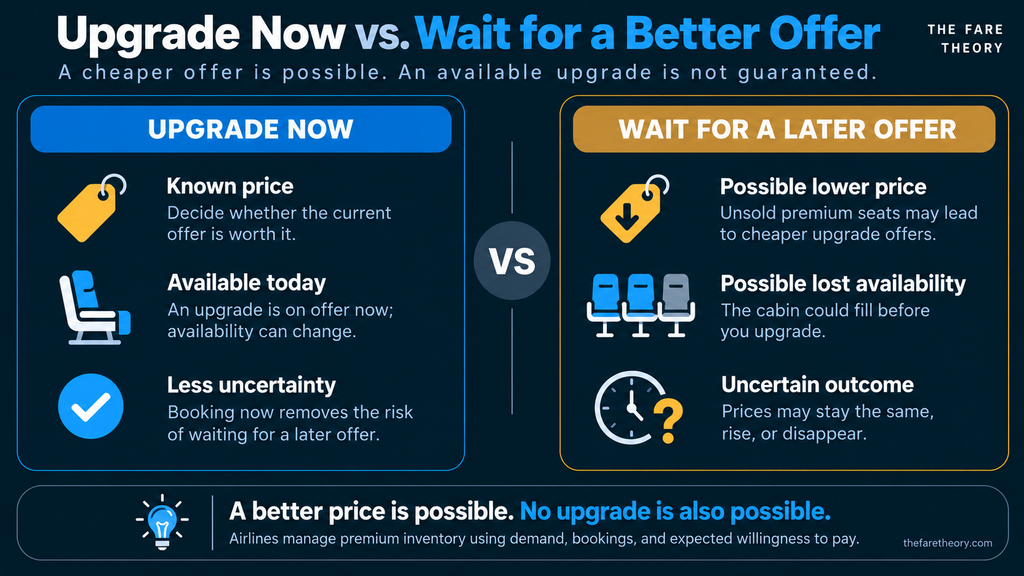
Waiting can sometimes produce cheaper upgrade offers. On the flip side, it can also leave you with no upgrade at all.
Airlines continually manage premium-cabin inventory based on demand, bookings and expected willingness to pay. If premium seats remain unsold, an airline may have an incentive to sell upgrades later.
But there’s no guarantee that the price will fall, and the cabin could fill instead.
[T2 INTERNAL LINK → What Is Airline Revenue Management? How Airlines Price Seats]
This is another reason not to treat a particular upgrade price as something that will necessarily remain available.
Don’t Forget What You’re Already Getting
Elite status, credit cards or your existing ticket may already provide some benefits normally associated with premium travel. For example, you might already have:
- Lounge access
- Free checked bags
- Priority boarding
- Preferred seating
- Expedited airport services
If you’re already receiving those benefits, they shouldn’t carry as much incremental value when evaluating business class.
The question is always:
What does the upgrade add that I don’t already have?
That’s the value you’re actually buying.
Business Class Is a Value Decision, Not a Luxury Decision
It’s easy to frame business class as either extravagant or universally desirable. Neither framing is particularly useful.
Premium cabins clearly have a luxury component. Research into the first-class passenger experience has found that travelers can derive value from things like prestige, sensory experience and hedonic well-being, a reminder that the appeal of premium travel extends beyond simply getting from one place to another. showEmbedPdf
But whether that experience is worth paying for is a different question.
The same traveler could reasonably decline business class on one trip and happily pay for it on another. A $500 upgrade on a 10-hour overnight flight with a lie-flat seat is a fundamentally different proposition from a $500 upgrade on a two-hour daytime flight with a recliner.
The cabin label didn’t change.
The Fare Theory: Is Business Class Worth It?
Business class is most likely to make sense when the upgrade materially changes the experience and the incremental cost is reasonable relative to what you’re receiving.
Ask:
- How long is the flight?
- Is it overnight?
- What seat am I actually getting?
- What’s the alternative cabin like?
- How much more am I paying?
- Would I rather use that money or those miles somewhere else?
There isn’t one price at which business class suddenly becomes “worth it.” There is only the value of this upgrade, on this flight, for this traveler.
Before deciding, run the numbers through the Upgrade Value Calculator and evaluate the offer you’re actually being given.